Negócio de reciclagem de plástico na Nigéria
Nigeria is a country on the west coast of Africa, as of December 2019, Nigeria has a total population of 201 million, making it the most populous country in Africa, accounting for 16% of the total population of Africa. It is also the largest economy in Africa.
In 2013, Nigeria’s gross domestic product (GDP) was 509.9 billion US dollars. the population of Nigeria is increasing rapidly. According to the “Guardian” report, the International Finance Corporation (IFC) announced a US$39 million financing plan to build a continuous polymerization PET resin factory in Ogun State.
20% of the raw materials of the factory will come from local waste plastics. Thereby strengthening recycling and manufacturing in Nigeria.
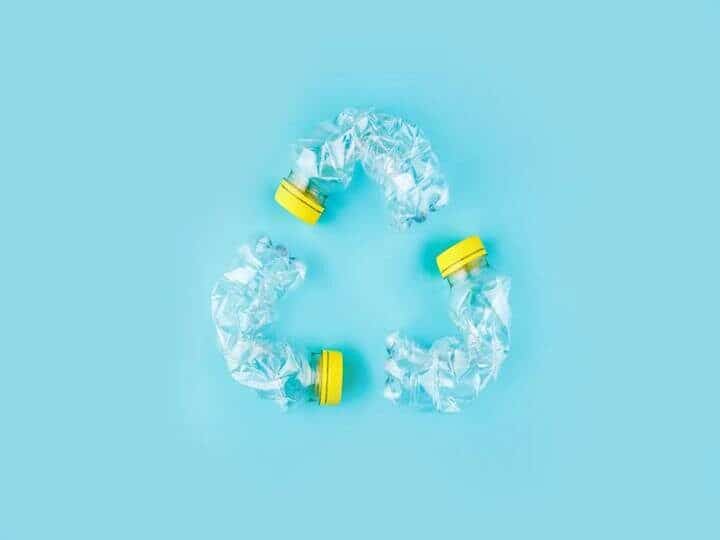
À medida que a população continua a crescer, a quantidade de resíduos plásticos gerados também está aumentando. Com o rápido crescimento da população urbana, é necessária uma tecnologia moderna eficaz para gerenciar os resíduos. O negócio de reciclagem de plástico na Nigéria é muito popular atualmente. A reciclagem de plásticos descartados é uma das melhores tecnologias para evitar a poluição do ar ambiental causada pela queima de plásticos.
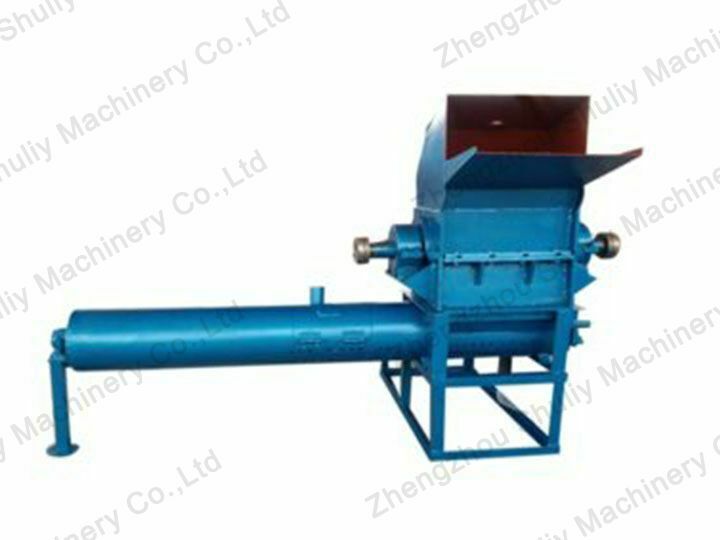
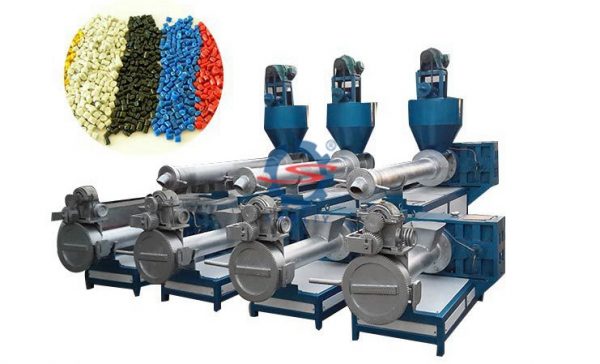
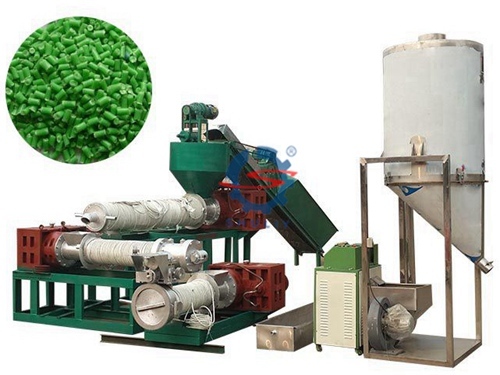
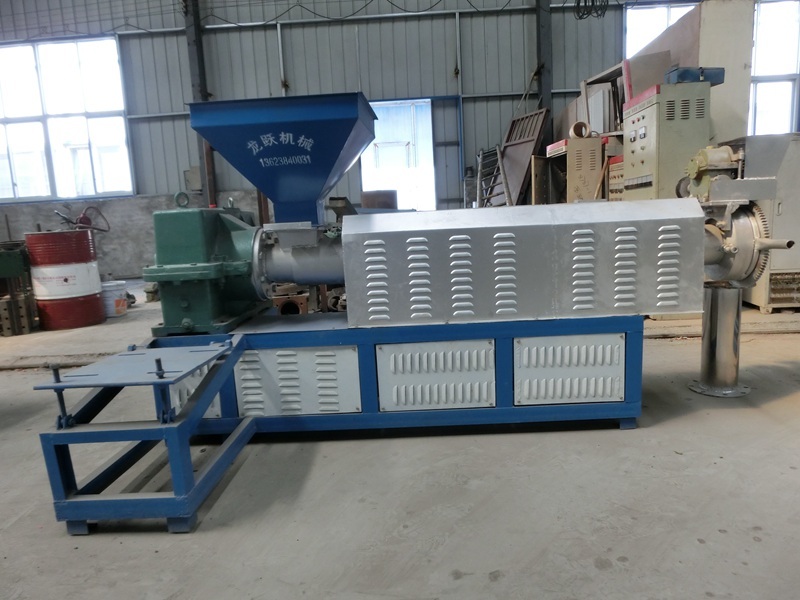
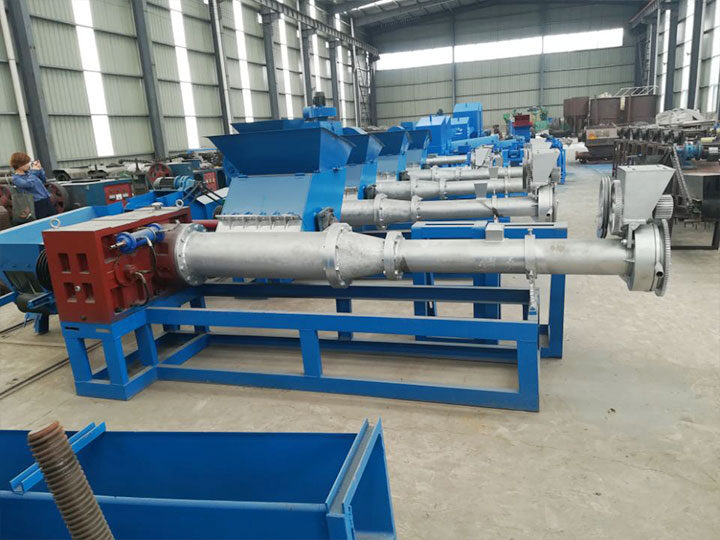
Reciclagem de plástico o que significa que derreter plásticos descartados em pellets é um processo de reciclagem de resíduos ou plásticos descartados e reprocessamento dos materiais em produtos úteis. Sacolas plásticas e garrafas plásticas serão trituradas, lavadas e, em seguida, derretidas e granulado por um granulador de plástico.
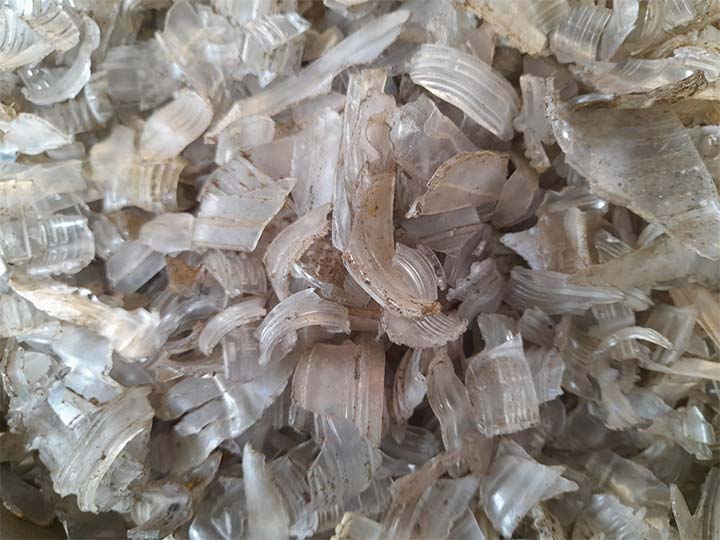
Plastic recycling includes melting plastic flakes or soft plastic films, and recycled plastic pellets can be used to make plastic chairs, tables, and toys. In the manufacturing process of plastic products (such as polyethylene film and bags), some plastic scraps will also be recycled. Then recycle them.
Investors can hire young people to collect waste and sell waste plastics to recycling plants for a price. The project can be located anywhere in the country. It is recommended to invest in raw materials, that is, areas rich in waste plastics.
For example, according to the records of the Ogun State Waste Management Agency, the state generates more than 3,000 tons of waste per day; in Lagos, more than 9,000 tons of waste are generated per day. As these two states are rapidly increasing their populations every day, there is a trend of further increase.
A reciclagem de plásticos descartados pode ajudar a reduzir a quantidade de resíduos sólidos urbanos, aumentar o valor dos resíduos, utilizar resíduos sólidos urbanos para produzir produtos plásticos para uso doméstico e comercial, e melhorar os serviços de gestão de resíduos sólidos urbanos. Ao mesmo tempo, também pode criar oportunidades de emprego para jovens graduados nigerianos.
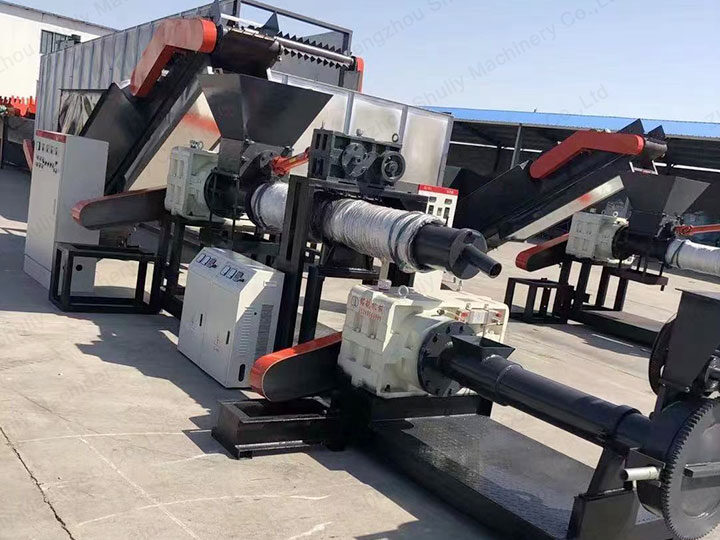
O principal mercado-alvo são as empresas de produção de plástico. Existem muitas empresas de plástico que adorariam comprar produtos reciclados em vez de novos produtos de plástico, e a demanda tem aumentado. No entanto, a demanda por materiais plásticos reciclados é muito alta.
According to records, plastic products enjoy demand and patronage throughout the country. In fact, plastic is one of the fastest-selling consumer products in the country today. This is because many products require plastics for packaging or raw materials.
The take off cost of this project varies depending on the score and capacity of the recycling plant. Financial analysis carried out indicated that the project is very profitable. The raw material is almost zero cost compared to the income from the processed wastes. The cash flows are very impressive and the payback period is between and 1 and 2 years of operations. The return on investment is 285% within the first five years of operations.