Kunststoffrecyclinggeschäft in Nigeria
Nigeria is a country on the west coast of Africa, as of December 2019, Nigeria has a total population of 201 million, making it the most populous country in Africa, accounting for 16% of the total population of Africa. It is also the largest economy in Africa.
In 2013, Nigeria’s gross domestic product (GDP) was 509.9 billion US dollars. the population of Nigeria is increasing rapidly. According to the “Guardian” report, the International Finance Corporation (IFC) announced a US$39 million financing plan to build a continuous polymerization PET resin factory in Ogun State.
20% of the raw materials of the factory will come from local waste plastics. Thereby strengthening recycling and manufacturing in Nigeria.
Da die Bevölkerung weiterhin wächst, steigt auch die Menge an erzeugtem Plastikmüll. Mit dem rasanten Wachstum der städtischen Bevölkerung ist moderne Technologie erforderlich, um Abfall zu bewältigen. Das Recycling von Plastik in Nigeria ist heutzutage sehr beliebt. Das Recycling von Plastikabfällen ist eine der besten Technologien, um die Umweltverschmutzung der Luft zu vermeiden, die durch das Verbrennen von Plastik verursacht wird.
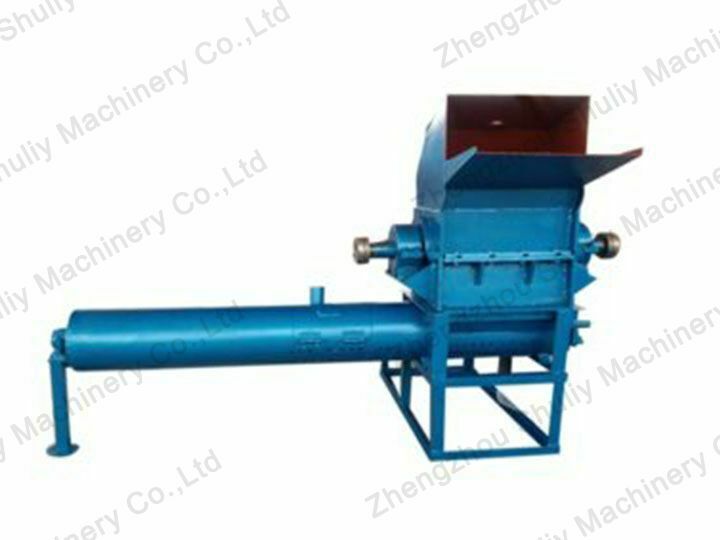
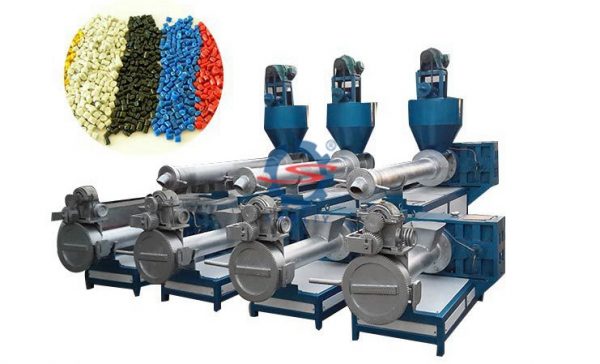
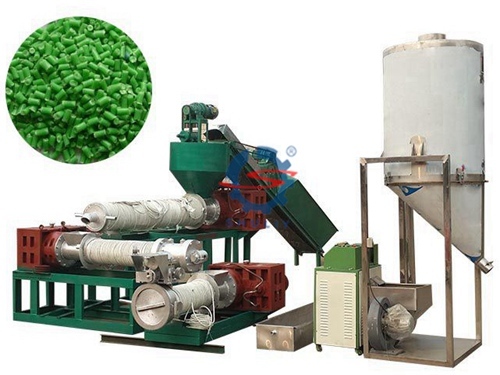
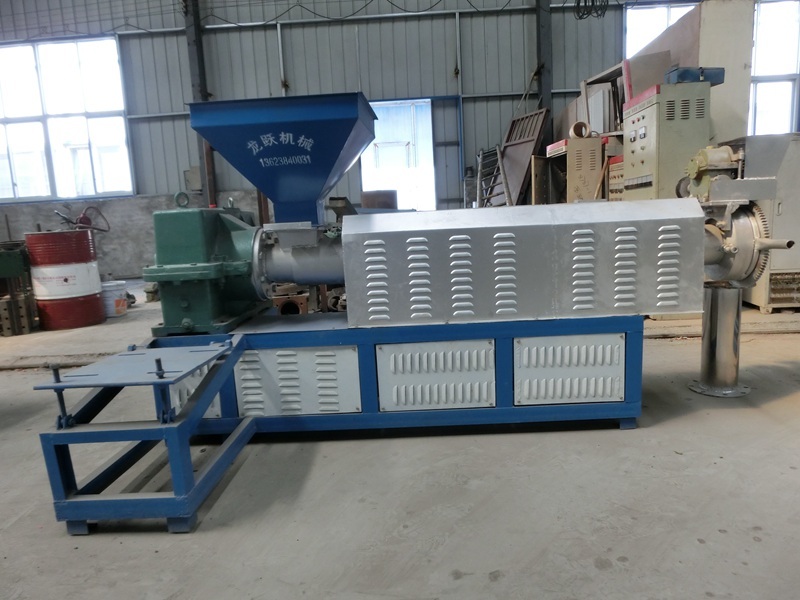
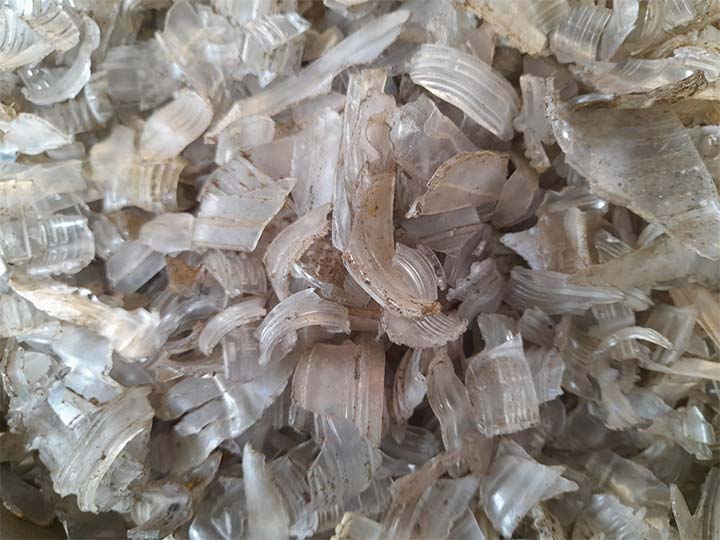
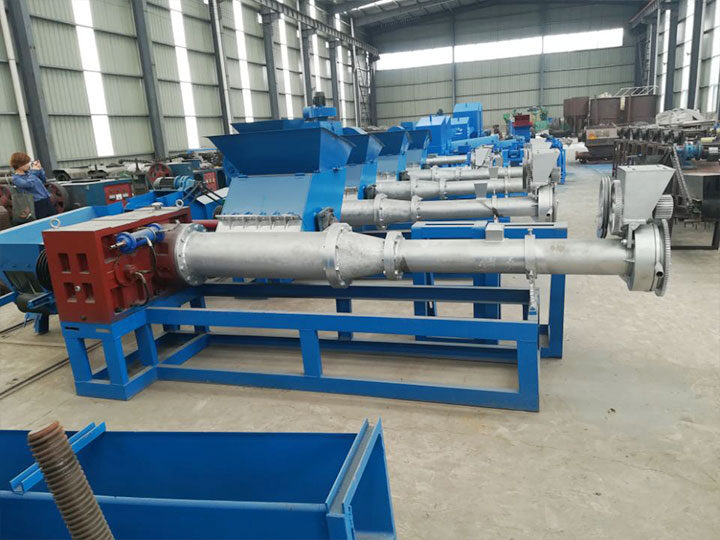
Kunststoffrecycling was bedeutet, dass das Schmelzen von Abfallkunststoffen zu Pellets ein Recyclingprozess von Abfall oder Abfallkunststoffen ist und die Materialien in nützliche Produkte umgearbeitet werden. Abfallplastiktüten und Plastikflaschen werden zerkleinert, gewaschen und dann geschmolzen und granuliert. Kunststoffgranulator.
Plastic recycling includes melting plastic flakes or soft plastic films, and recycled plastic pellets can be used to make plastic chairs, tables, and toys. In the manufacturing process of plastic products (such as polyethylene film and bags), some plastic scraps will also be recycled. Then recycle them.
Investors can hire young people to collect waste and sell waste plastics to recycling plants for a price. The project can be located anywhere in the country. It is recommended to invest in raw materials, that is, areas rich in waste plastics.
For example, according to the records of the Ogun State Waste Management Agency, the state generates more than 3,000 tons of waste per day; in Lagos, more than 9,000 tons of waste are generated per day. As these two states are rapidly increasing their populations every day, there is a trend of further increase.
Das Recycling von Abfallkunststoffen kann dazu beitragen, die Menge an kommunalem Festabfall zu reduzieren, den Wert von Abfall zu steigern, kommunalen Festabfall zur Herstellung von Haushalts- und gewerblichen Kunststoffprodukten zu nutzen und die Dienstleistungen im Bereich der kommunalen Festabfallwirtschaft zu verbessern. Gleichzeitig kann es auch Arbeitsplätze für junge nigerianische Absolventen schaffen.
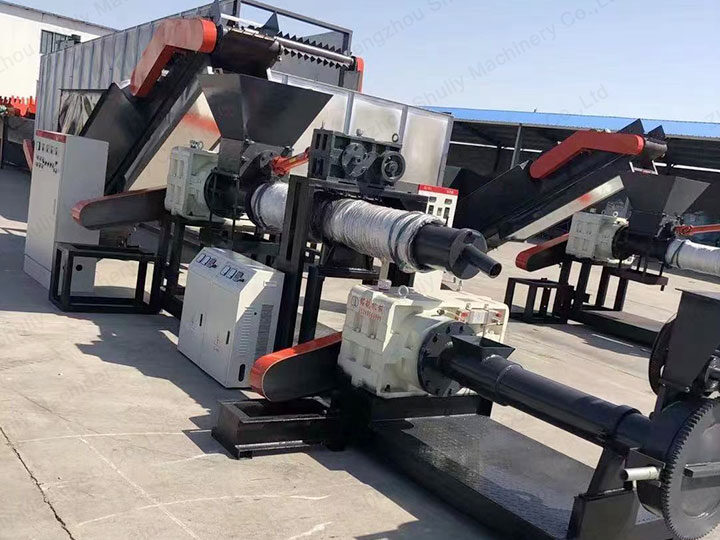
Die Hauptzielgruppe sind Unternehmen der Kunststoffproduktion. Es gibt viele Kunststoffunternehmen, die gerne recycelte Produkte anstelle von neu produzierten Kunststoffen kaufen würden, und die Nachfrage steigt. Die Nachfrage nach recycelten Kunststoffmaterialien ist jedoch sehr hoch.
According to records, plastic products enjoy demand and patronage throughout the country. In fact, plastic is one of the fastest-selling consumer products in the country today. This is because many products require plastics for packaging or raw materials.
The take off cost of this project varies depending on the score and capacity of the recycling plant. Financial analysis carried out indicated that the project is very profitable. The raw material is almost zero cost compared to the income from the processed wastes. The cash flows are very impressive and the payback period is between and 1 and 2 years of operations. The return on investment is 285% within the first five years of operations.