Fasihi ya kuchakata plastiki nchini Nigeria
Nigeria is a country on the west coast of Africa, as of December 2019, Nigeria has a total population of 201 million, making it the most populous country in Africa, accounting for 16% of the total population of Africa. It is also the largest economy in Africa.
In 2013, Nigeria’s gross domestic product (GDP) was 509.9 billion US dollars. the population of Nigeria is increasing rapidly. According to the “Guardian” report, the International Finance Corporation (IFC) announced a US$39 million financing plan to build a continuous polymerization PET resin factory in Ogun State.
20% of the raw materials of the factory will come from local waste plastics. Thereby strengthening recycling and manufacturing in Nigeria.
Ili idadi ya watu inaendelea kuongezeka, kiasi cha taka za plastiki kinachozalishwa pia kinaongezeka. Pamoja na ukuaji wa haraka wa idadi ya watu mijini, teknolojia bora za kisasa zinahitajika ili kudhibiti taka. Biashara ya kurecycle plastiki nchini Nigeria ni maarufu sana siku hizi. Kurecycle taka za plastiki ni moja ya teknolojia bora za kuepuka uchafuzi wa hewa wa mazingira unaosababishwa na kuchoma plastiki.
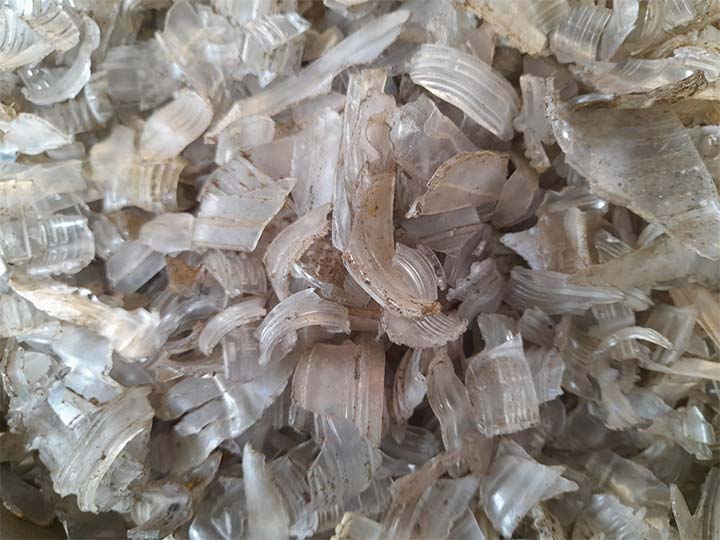
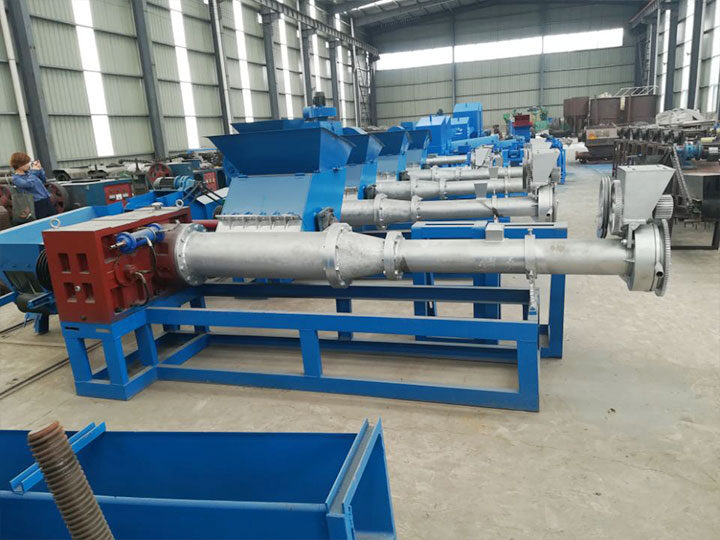
Återvinning av plast vilket innebär att smälta avfall av plast till pellets är en process för att återvinna avfall eller avfall av plast och bearbeta materialen till användbara produkter. Plastpåsar och plastflaskor kommer att krossas, tvättas och sedan smältas och granuleras av en plastgranulator.
Plastic recycling includes melting plastic flakes or soft plastic films, and recycled plastic pellets can be used to make plastic chairs, tables, and toys. In the manufacturing process of plastic products (such as polyethylene film and bags), some plastic scraps will also be recycled. Then recycle them.
Investors can hire young people to collect waste and sell waste plastics to recycling plants for a price. The project can be located anywhere in the country. It is recommended to invest in raw materials, that is, areas rich in waste plastics.
For example, according to the records of the Ogun State Waste Management Agency, the state generates more than 3,000 tons of waste per day; in Lagos, more than 9,000 tons of waste are generated per day. As these two states are rapidly increasing their populations every day, there is a trend of further increase.
Urejeleaji wa plastiki za taka unaweza kusaidia kupunguza kiasi cha taka za miji, kuongeza thamani ya taka, kutumia taka za miji kutengeneza bidhaa za plastiki za nyumbani na kibiashara, na kuboresha huduma za usimamizi wa taka za miji. Wakati huo huo, inaweza pia kuunda fursa za ajira kwa wahitimu vijana wa Nigeria.
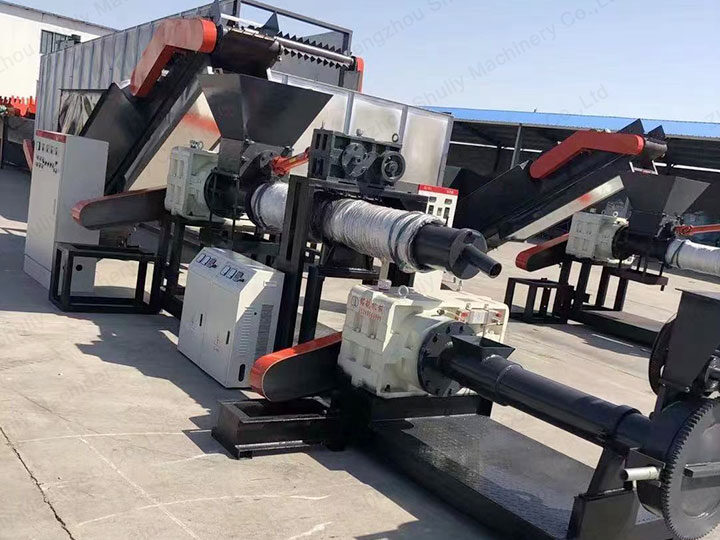
Msingi wa soko kuu ni kampuni za uzalishaji wa plastiki. Kuna kampuni nyingi za plastiki ambazo zingependa kununua bidhaa zilizorejelewa badala ya uzalishaji wa plastiki mpya na mahitaji yamekuwa yakiongezeka. Hata hivyo, mahitaji ya vifaa vya plastiki vilivyorejelewa ni ya juu sana.
According to records, plastic products enjoy demand and patronage throughout the country. In fact, plastic is one of the fastest-selling consumer products in the country today. This is because many products require plastics for packaging or raw materials.
The take off cost of this project varies depending on the score and capacity of the recycling plant. Financial analysis carried out indicated that the project is very profitable. The raw material is almost zero cost compared to the income from the processed wastes. The cash flows are very impressive and the payback period is between and 1 and 2 years of operations. The return on investment is 285% within the first five years of operations.