
塑料瓶的回收率大大提高了
在1990年代,废弃的塑料瓶随处可见。后来,随着全球废塑料瓶回收技术的不断提高,包括 破碎 和清洗。塑料瓶回收的军队诞生了,塑料瓶的回收率大大提高。
目前,一些发达地区的PET废塑料瓶的回收率已经非常高,甚至行业之间为了争夺回收塑料瓶资源而相互抬高价格。全球的废塑料瓶资源变得越来越紧张,开始影响相关的纺织、包装等行业。
事实上,我们相信 废弃塑料瓶的回收相关公司不应只关注发达地区。
在一些发展中国家,如拉丁美洲、东南亚、非洲等地区,废旧塑料瓶的回收技术仍然非常落后。因此,这些国家对废弃塑料瓶回收的意识普遍较低,同时拥有大量可利用的资源。
如果您能够积极进入这些市场,一方面,回收塑料瓶有助于解决当地环境问题,并将获得政府支持;另一方面,获取废旧塑料瓶的成本相对较低。这些地区仍然存在回收塑料瓶的机会。
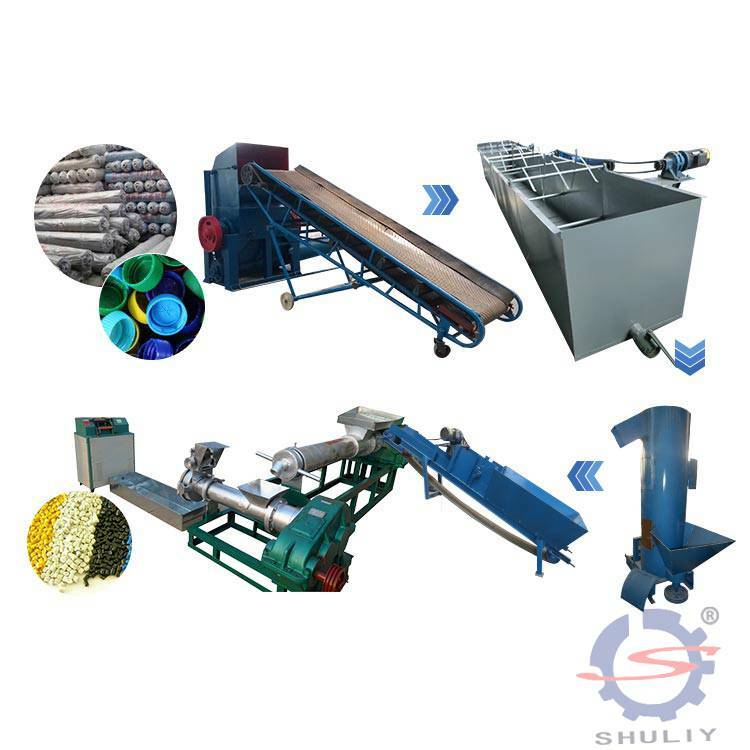
对于跨国塑料瓶的回收,关键问题和运输成本,如果能够很好地控制,我相信前景是无限的。
塑料瓶的回收率大大提高了
废弃塑料瓶可以转化为高效的抗真菌药物。这项研究由IBM纳米医学研究人员和新加坡生物工程与纳米技术研究所进行。研究人员将回收的塑料瓶转化为无毒、生物相容性强的高效抗真菌纳米纤维,能够治疗耐药性真菌感染和细菌感染,如耐甲氧西林金黄色葡萄球菌(MRSA)。
据报道,全世界每年有超过 1 billion 人感染真菌,感染范围从局部皮肤感染(如脚气)到危及生命的真菌性血液感染。当患者接受抗生素治疗时,免疫系统会受到损害。
目前迫切需要开发高效且针对特定疾病的抗真菌药物,以缓解日益严重的耐药性问题。传统抗真菌治疗需要感染侵入细胞内部,但很难靶向并穿透真菌膜壁。
此外,由于真菌代谢与哺乳动物细胞相似,现有药物无法区分健康细胞和感染细胞。
基于此
研究人员使用有机催化过程促进普通塑料材料(聚对苯二甲酸乙二醇酯,PET)的转化,在此过程中生产新的抗真菌剂分子。
这些新的抗真菌剂是通过氢键结合的方法自组装而成,例如分子魔术贴相互结合,以聚合物的方式形成纳米纤维,从而表现出活跃的抗真菌效果。这种新的纳米纤维带有正电荷,可以仅基于静电相互作用选择性地靶向并附着于带负电荷的真菌膜上。然后,它通过分解和破坏真菌细胞膜的壁来防止其攻击。
研究人员还通过计算机模拟预测,修改这种新型纳米纤维的结构可以产生所需的治疗效果。结果还表明,这种抗真菌纳米纤维在一次治疗后可以有效地分散真菌生物膜,而不会损害周围健康细胞。