Cutting Costs and Cleaning Metal: Why Scrap Yards Need a Paint Bucket Shredder
Empty paint cans, 5-gallon buckets, and large chemical barrels are some of the most annoying items to deal with in a scrap yard. They look like a lot of metal, but they are mostly filled with empty air. Worse, many of them still have dried paint, glue, or chemical residue stuck to the bottom and sides.
If you try to bale them whole, you are mostly paying to truck trapped air to the steel mill. If you send them dirty, mills will either cut your payout or reject the load entirely.
Investing in a dedicated paint bucket shredder helps yard owners fix this problem by turning loose, dirty hollow drums into dense, clean, and profitable metal scrap.
The Real Problems with Empty Paint and Chemical Drums
Before looking at the machine itself, it helps to understand why steel mills and scrap buyers dislike raw, unprocessed drums:
- You Are Paying to Haul Air: A regular flatbed truck filled with loose, uncrushed paint pails hits its volume limit long before it reaches its weight limit. You end up spending good money moving empty space.
- Furnace Smoke and Slag: When steel mills melt scrap, thick dried paint does not turn into metal. It burns off as dark smoke or turns into useless slag floating on top of the furnace. This wastes electricity and heat.
- Hidden Safety Hazards: When drums are simply squashed flat with an excavator bucket or baler, trapped chemical vapors or liquids stay sealed inside. When those squashed drums hit a hot furnace, trapped pockets can pop or cause small flare-ups.
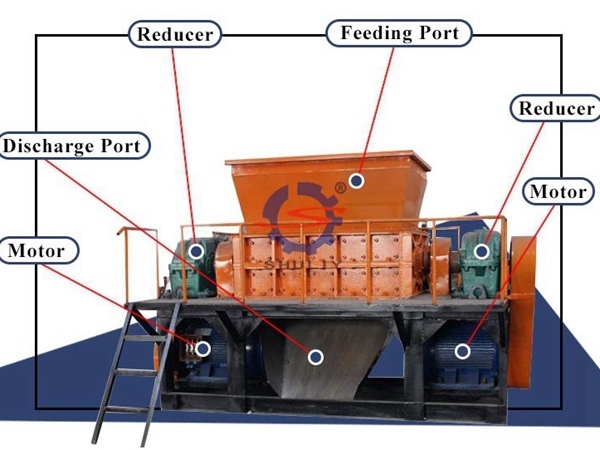
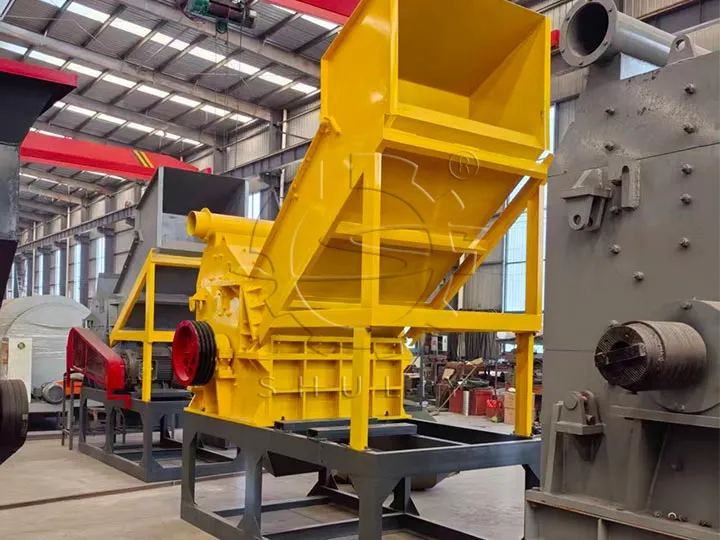
To turn these containers into high-grade feed, yards run them through an industrial metal crusher that breaks the containers open completely.
How a Paint Bucket Shredder Tears Metal and Cleans Off Paint
A shredder does not just cut the metal; it beats and rubs the steel to clean it up. The process works in a few straightforward steps:
- Heavy Hammers Do the Work: Inside the chamber, heavy steel hammers spin at high speeds. When a paint bucket drops in, the hammers strike the metal against internal ridged plates.
- Knocking Off the Dried Paint: Paint does not stretch like steel does. When the hammer hits the thin sheet metal, the steel bends rapidly back and forth. The stiff, dried paint cannot bend that fast, so it cracks and flakes right off the surface.
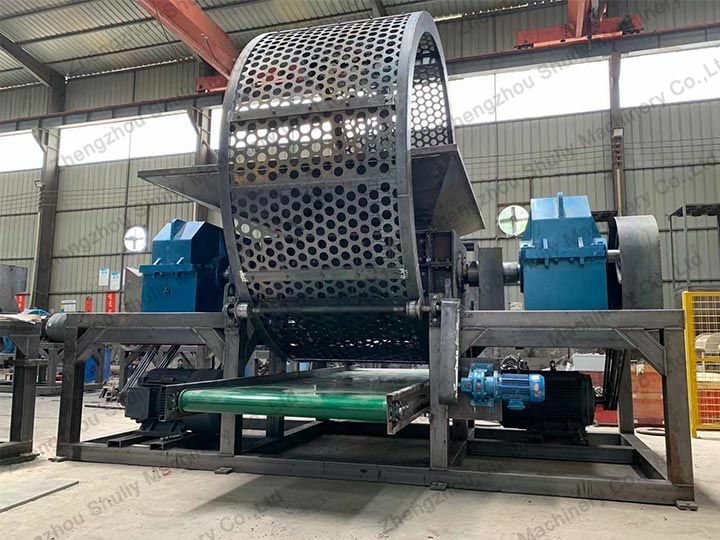
- Sizing the Metal Through a Screen: At the bottom of the machine sits a thick steel screen plate. The metal stays inside the chamber until it is beaten down to pieces roughly 3 to 10 cm (about 1 to 4 inches) in size.
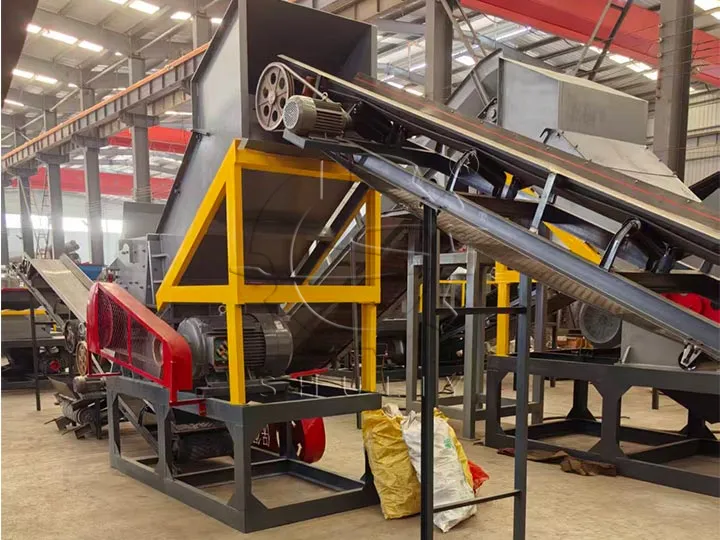
Once the pieces are small enough, they drop through the screen onto a conveyor belt. What comes out is not a flat sheet, but small, dense chunks of clean steel that pack tightly into shipping containers.
Safe Operation: Handling Trapped Fumes and Flying Metal
Recycling chemical drums is not the same as shredding clean aluminum extrusions. Because these containers held oil, paint, or solvents, the equipment must keep workers safe from two main hazards: flying scrap and sudden sparks.
Thick Steel Walls and Enclosed Hoppers
Thin metal buckets can have sharp handles, wire rings, and jagged edges that whip around violently when struck by spinning hammers. A well-built paint bucket shredder uses thick, armored steel walls and a covered feeding chute. This keeps scrap pieces inside the machine where they belong and keeps dust from spreading around your yard.
Motor Protection Against Jamming
Sometimes a drum contains an unwelcome surprise, like a solid chunk of hardened resin or a heavy steel tool dropped inside by accident.
Quality machines use an all-copper motor connected to smart controls. If an unbreakable object enters the chamber and stops the rotor, the electrical current spikes. The system immediately cuts power or briefly reverses the rotation. This prevents the motor from burning out and stops the main shaft from twisting under stress.
Simple Daily Rules for Drum Shredding
To keep your machine running smoothly every day, follow a few practical rules:
- Drain the Liquids First: Never drop closed drums full of liquid paint or wet solvent into the hopper. Let them drain first so wet sludge does not plug up the screen holes.
- Feed the Machine Steadily: Drop buckets in at an even, steady pace. Piling a huge mountain of drums into the hopper all at once makes the motor work harder than it needs to.
- Check the Hammers Regularly: As the hammer corners round off from rubbing against metal, the shredder takes longer to break buckets down. Check your hammer wear weekly to keep your output speed high.
Finding the Right Equipment for Your Yard
Turning light-gauge industrial scrap into dense furnace feed is one of the easiest ways to increase the value of your yard’s daily output.
If you deal with paint pails, oil filters, or light tin containers, pairing your operation with a dependable scrap metal shredder machine will save you thousands in hauling costs every month.
Reach out to our team with the types of drums you handle and your daily target tons. We will help you select the right motor size, hammer setup, and screen size for your business.