
Jenis plastik apa yang digunakan untuk membuat gelas sekali pakai dalam kehidupan?
PP adalah bahan semi-kristalin. Ini lebih keras dan memiliki titik lebur yang lebih tinggi dibandingkan PE. Karena suhu PP dari jenis homopolimer sangat rapuh ketika lebih tinggi dari 0 ° C, banyak produk komersial Bahan PP merupakan kopolimer acak dengan kandungan etilena 1 hingga 4% atau kopolimer dengan rasio etilena yang lebih tinggi. Material PP jenis kopolimer memiliki suhu distorsi panas yang rendah (100 ° C), transparansi rendah, kilap rendah, dan kekakuan rendah, tetapi memiliki kekuatan benturan yang lebih tinggi.
Kekuatan PP meningkat seiring meningkatnya kandungan etilena. Suhu pelunakan Vicat PP adalah 150 °C. Karena tingkat kristalinitasnya tinggi, bahan ini memiliki kekakuan permukaan dan ketahanan gores yang sangat baik. PP tidak memiliki masalah retak akibat tegangan lingkungan. PP biasanya dimodifikasi dengan menambahkan serat kaca, aditif logam, atau karet termoplastik.
Tingkat aliran PP memiliki MFR yang berkisar antara 1 hingga 40. Bahan PP dengan MFR rendah memiliki ketahanan benturan yang lebih baik tetapi perpanjangan yang lebih rendah. Untuk bahan dengan MFR yang sama, kekuatan jenis kopolimer lebih tinggi dibandingkan dengan jenis homopolimer. 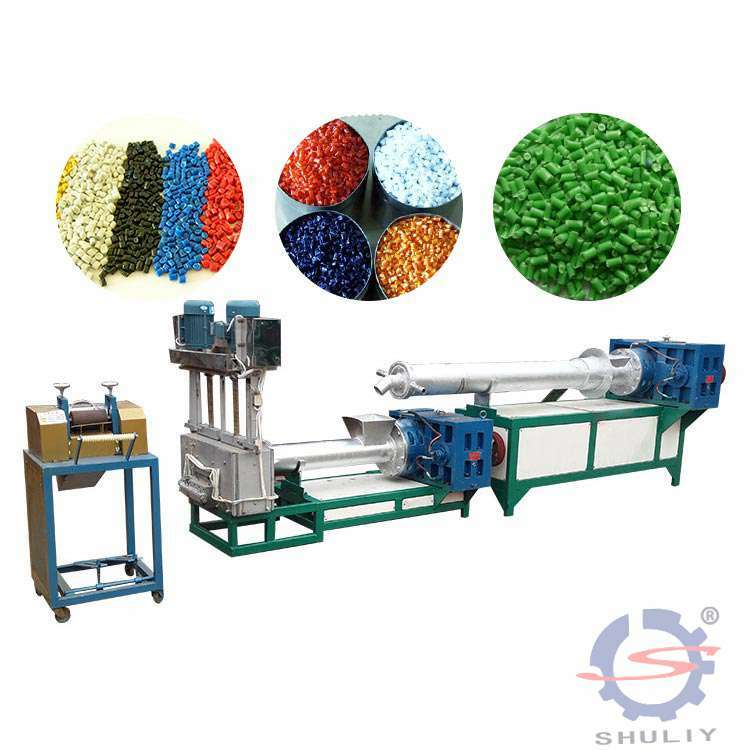
Karena kristalisasi, tingkat penyusutan PP cukup tinggi, umumnya 1.8 hingga 2.5%. Keseragaman arah penyusutannya juga jauh lebih baik daripada bahan seperti PE-HD.
Penambahan 30% aditif kaca dapat mengurangi penyusutan hingga 0.7%. Bahan PP tipe homopolimer maupun kopolimer memiliki ketahanan yang sangat baik terhadap penyerapan kelembapan, korosi asam dan alkali, serta pelarutan. Namun, bahan ini tidak tahan terhadap pelarut hidrokarbon aromatik (seperti benzena), pelarut hidrogen klorida (karbon tetraklorida), dan sejenisnya.
PP tidak memiliki ketahanan oksidasi pada suhu tinggi seperti PE, dan berbahaya bagi tubuh manusia.
Cangkir sekali pakai yang digunakan dalam kehidupan sehari-hari umumnya terbuat dari plastik pc dan pp.
PC adalah bahan rekayasa amorf dengan kekuatan benturan yang luar biasa, stabilitas termal, kilau, penghambatan bakteri, sifat tahan api, dan ketahanan terhadap noda. Celah PC
Kekuatan sangat tinggi dan tingkat penyusutan sangat rendah, umumnya 0,1% hingga 0,2%. PC memiliki sifat mekanik yang baik, tetapi karakteristik alirannya buruk, jadi ini
Proses pencetakan injeksi bahan itu sulit. Ketika memilih bahan PC berkualitas mana yang akan digunakan, itu harus didasarkan pada harapan akhir produk. Jika bagian plastik memerlukan ketahanan terhadap benturan yang tinggi, maka gunakan aliran rendah.
Bahan PC kinetik; sebaliknya, bahan PC dengan laju aliran tinggi dapat digunakan untuk mengoptimalkan proses pencetakan injeksi.
PP polipropilena: suhu leleh: 220~275 °C.