
Loại nhựa nào được sử dụng để sản xuất cốc dùng một lần?
PP là một vật liệu bán tinh thể. Nó cứng hơn và có điểm nóng chảy cao hơn PE. Vì nhiệt độ của loại homopolymer PP rất giòn khi cao hơn 0 ° C, nhiều sản phẩm thương mại Vật liệu PP are random copolymers of 1 to 4% ethylene or a clamp copolymer of a higher ratio of ethylene. The copolymer type PP material has a low heat distortion temperature (100 ° C), low transparency, low gloss, low rigidity, but has a stronger impact strength.
The strength of PP increases as the ethylene content increases. The Vicat softening temperature of PP is 150 °C. Due to the high degree of crystallinity, this material has excellent surface stiffness and scratch resistance. There is no environmental stress cracking problem in PP. The PP is usually modified by adding glass fibers, metal additives or thermoplastic rubber.
Tốc độ dòng chảy của PP có chỉ số MFR dao động từ 1 đến 40. Vật liệu PP có MFR thấp có khả năng chống va đập tốt hơn nhưng độ kéo dài thấp hơn. Đối với các vật liệu có cùng MFR, độ bền của loại copolymer cao hơn so với loại homopolymer. 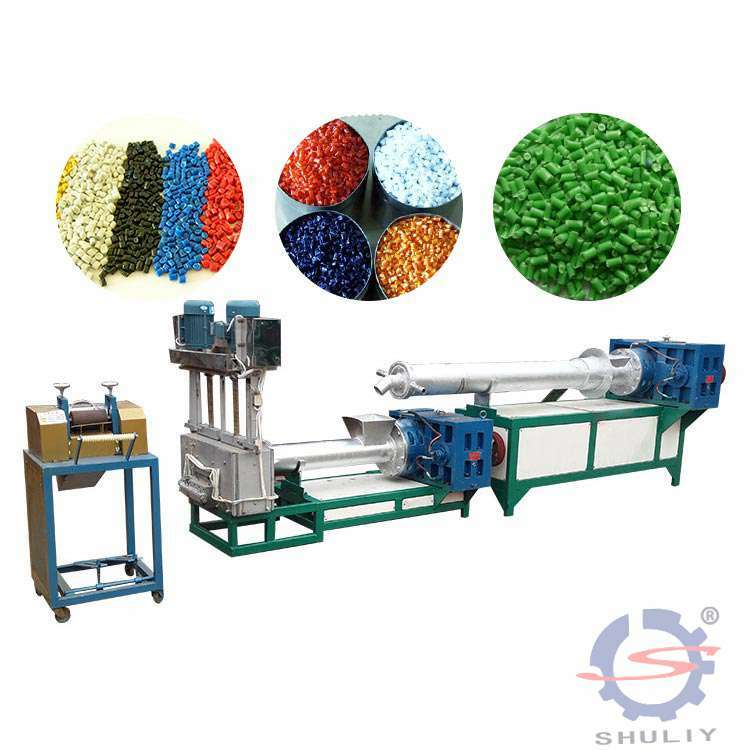
Due to crystallization, the shrinkage rate of PP is quite high, generally 1.8 to 2.5%. And the direction uniformity of shrinkage is much better than materials such as PE-HD.
The addition of 30% glass additive can reduce the shrinkage to 0.7%. Both the homopolymer type and the copolymer type PP materials have excellent moisture absorption resistance, acid and alkali corrosion resistance, and solubility resistance. However, it is not resistant to aromatic hydrocarbons (such as benzene) solvents, hydrogen chloride (carbon tetrachloride) solvents, and the like.
PP does not have oxidation resistance at high temperatures like PE, and it is harmful to the human body.
Cốc dùng một lần trong cuộc sống hàng ngày thường được làm từ nhựa pc và pp.
PC là một vật liệu kỹ thuật vô định hình với độ bền va đập xuất sắc, ổn định nhiệt, độ bóng, khả năng ức chế vi khuẩn, tính chống cháy và khả năng chống bám bẩn.
Độ bền rất cao và tỷ lệ co ngót rất thấp, thường là 0,1% đến 0,2%. PC có tính chất cơ học tốt, nhưng đặc tính chảy kém, vì vậy điều này
Quá trình ép nhựa của các vật liệu là khó khăn. Khi chọn loại vật liệu PC chất lượng nào để sử dụng, nó nên dựa trên kỳ vọng cuối cùng của sản phẩm. Nếu bộ phận nhựa yêu cầu khả năng chống va đập cao, thì nên sử dụng loại có độ chảy thấp.
Vật liệu PC động lực; ngược lại, các vật liệu PC có lưu lượng cao có thể được sử dụng để tối ưu hóa quy trình ép phun.
PP polypropylene: nhiệt độ nóng chảy: 220~275 °C.