
塑料的颗粒化过程是什么?
塑料的颗粒化过程是塑料回收商常见的询问。回收塑料的主要步骤是破碎、清洗和颗粒化。今天我们将介绍这些步骤以供参考。
颗粒化前的清洗和粉碎
对于受污染的塑料制品,使用过的农业薄膜和袋子,首先应进行粗洗,以去除沙子、石头和金属等外来物质,以防止它们损坏破碎机。粗洗后,废塑料产品将进行离心和脱水,然后送往 塑料破碎机 用于粉碎。
粉碎后,它们会在一个 冲洗槽 去除嵌入其中的杂物。如果废塑料含有油污,请将其浸泡在适量的碱性水或温和洗涤液中,然后搅拌以产生废塑料之间的摩擦和碰撞,从而去除污垢。之后,为了确保回收颗粒的质量,清洗后的塑料片应由专业人员进行干燥。 干燥机中进一步清洗.
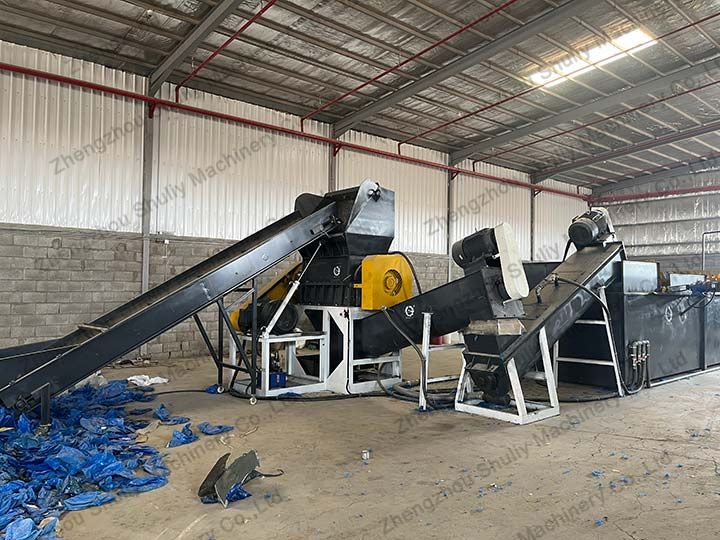
塑料的颗粒化过程
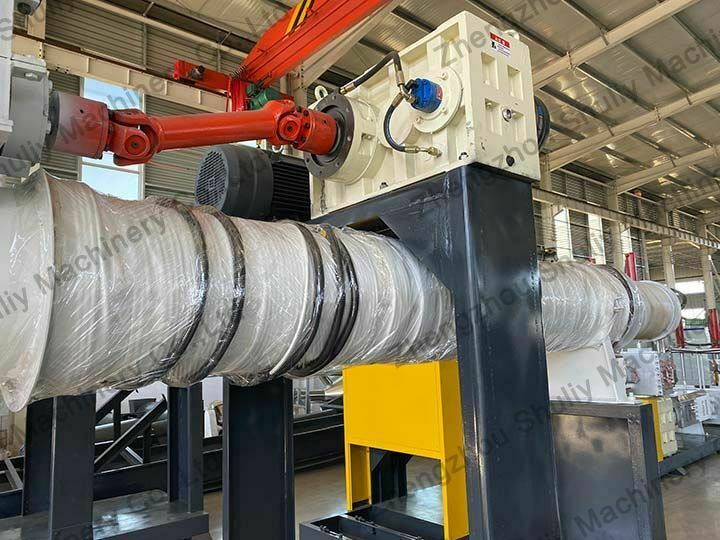
干净的塑料被送入 塑料造粒机 通过传送带,这是塑料的官方造粒过程。机器螺杆将塑料推入加热区,在高温下熔化,然后通过模具挤出。长条塑料进入冷却槽冷却和成型,最后切割机将条状物切割成颗粒。
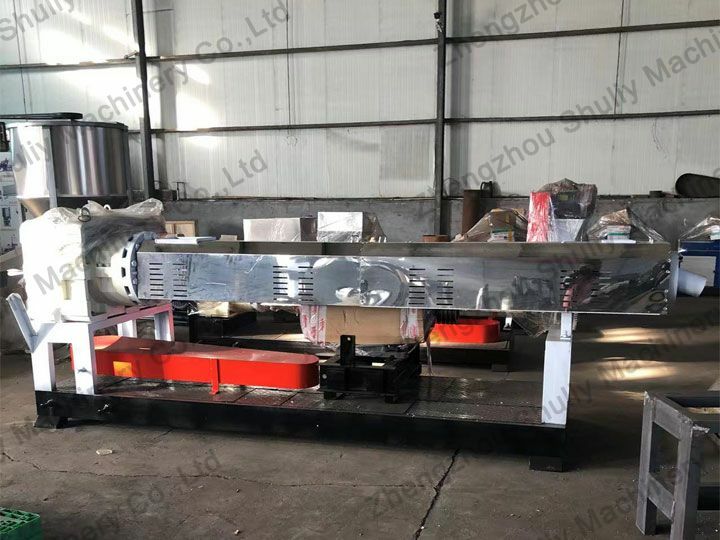
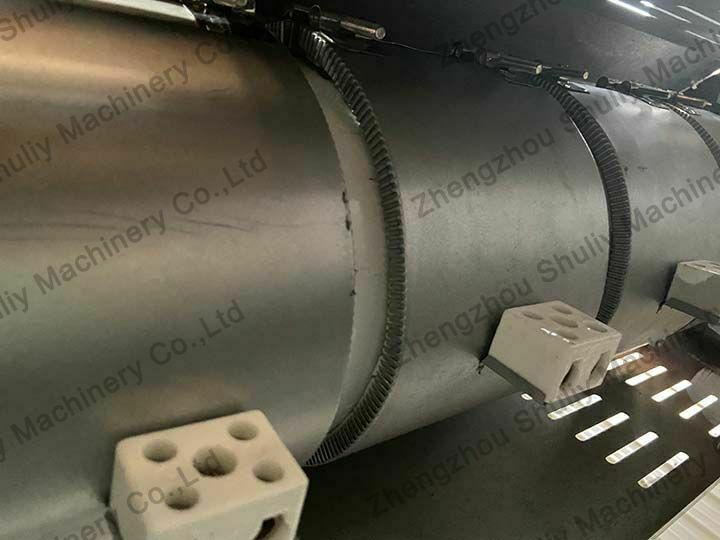
Shuliy Machinery 提供多种加热方式的塑料颗粒机,包括电磁加热、加热线圈加热和陶瓷加热。
废旧塑料与新树脂的性能存在差异,这是因为废旧塑料在成型过程中经历了热作用和剪切作用,并在使用期间受到热、氧、光、气候及各种介质的影响。
因此,再生材料的机械性能(包括拉伸强度和抗冲击性能)低于原树脂。开裂会导致表面结构发生变化,外观质量也远不如从前,表现为颜色发黄、透明度下降。
通过混合新材料或添加特定的稳定剂和添加剂,例如抗氧化剂和热稳定剂,可以改善废塑料的性能,这些添加剂可以减少在废塑料造粒过程中热和氧气的负面影响。