Nhựa thải được tái chế như thế nào trong máy viên nhựa?
Sản phẩm nhựa mang lại nhiều tiện lợi cho sản xuất và cuộc sống của chúng ta. Đây là mặt tốt. Mặt khác, nó gây ra một trong những nguồn ô nhiễm lớn nhất trong cuộc sống của chúng ta. Nó sẽ không bị phân hủy tự nhiên, và máy viên nhựa được giải quyết tốt. Ô nhiễm này đã nhận ra việc tái chế nhựa thải.
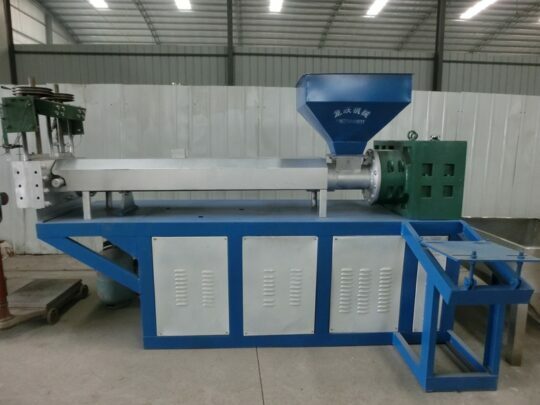
Nhựa thải được tái chế như thế nào trong máy viên nhựa? Hãy cùng xem xét kỹ hơn
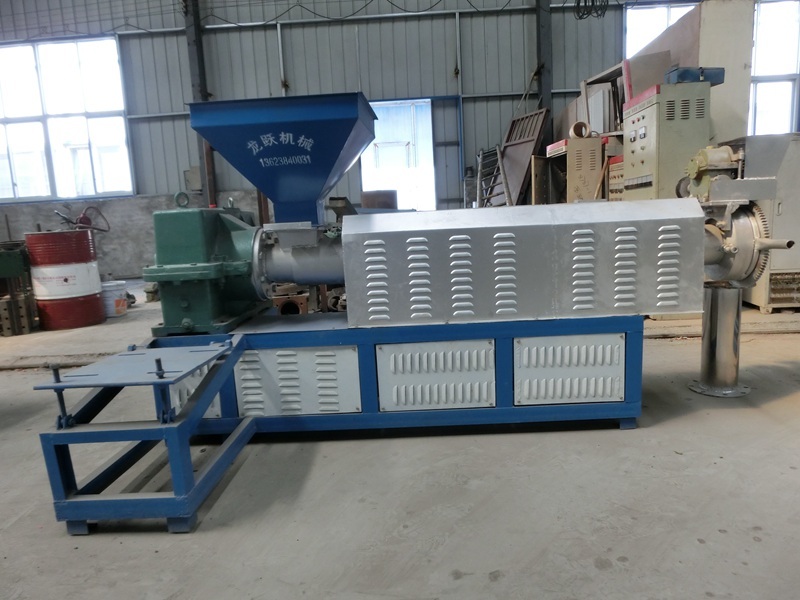
Sau khi nhựa được đưa vào phễu, nhựa rơi đều xuống trục vít và được ren vít cuốn vào. Khi trục vít quay, ren vít buộc vật liệu tiến về phía đầu máy, tạo thành quá trình vận chuyển cơ học.
Khi nhựa di chuyển từ cổng nạp đến đầu máy tạo hạt, độ sâu của ren vít giảm dần. Do sức cản của lưới lọc, ống góp và đầu máy, áp suất cao được hình thành trong quá trình hóa dẻo, khiến vật liệu bị nén mạnh.
Việc làm đặc cải thiện khả năng dẫn nhiệt và giúp nhựa tan chảy nhanh chóng. Đồng thời, áp lực tăng dần khiến khí ban đầu có giữa các viên bị xả ra từ lỗ thông hơi.
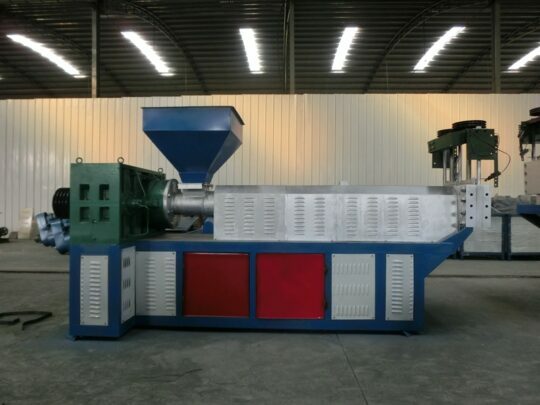
Trong khi áp suất tăng lên, một mặt nhựa được gia nhiệt từ bên ngoài. Mặt khác, trong quá trình nén, cắt và khuấy trộn, bản thân nhựa tạo ra một lượng nhiệt lớn do ma sát bên trong.
Dưới tác động kết hợp của lực bên ngoài và lực bên trong, nhiệt độ của nhựa tăng dần, đồng thời trạng thái vật lý của nhựa cũng thay đổi qua trạng thái thủy tinh, trạng thái đàn hồi cao và trạng thái dòng chảy nhớt.
Nhìn chung, trong quá trình cấp liệu, trạng thái thủy tinh chủ yếu nằm ở phần giữa của vùng nén, nơi bước ren vít giảm dần. Vật liệu chủ yếu ở trạng thái đàn hồi cao và dần nóng chảy, sau đó chuyển sang trạng thái nhớt ở phía sau và tại vùng ép của phần nén.
Ở giai đoạn này, nhựa đã được hóa dẻo hoàn toàn. Nhựa đã hóa dẻo được vít nén và đùn liên tục, định lượng và đồng đều qua đầu máy.