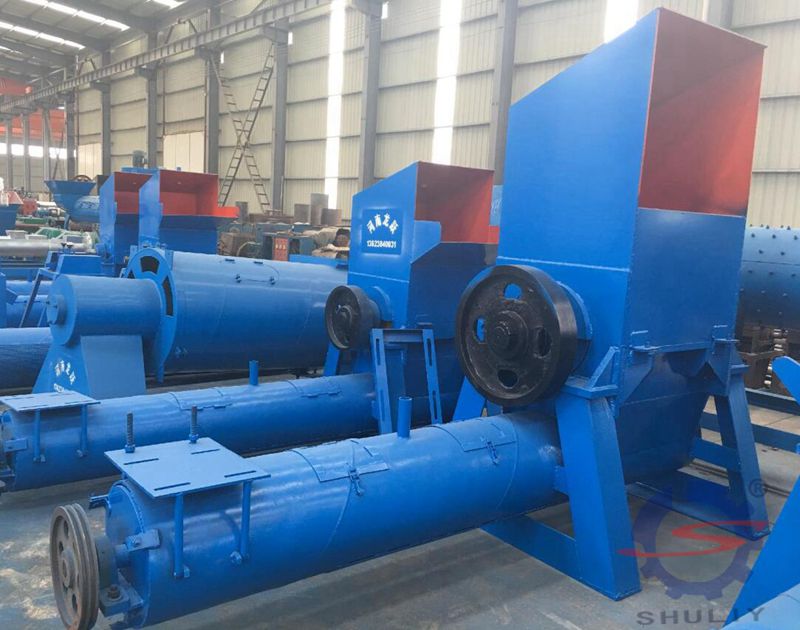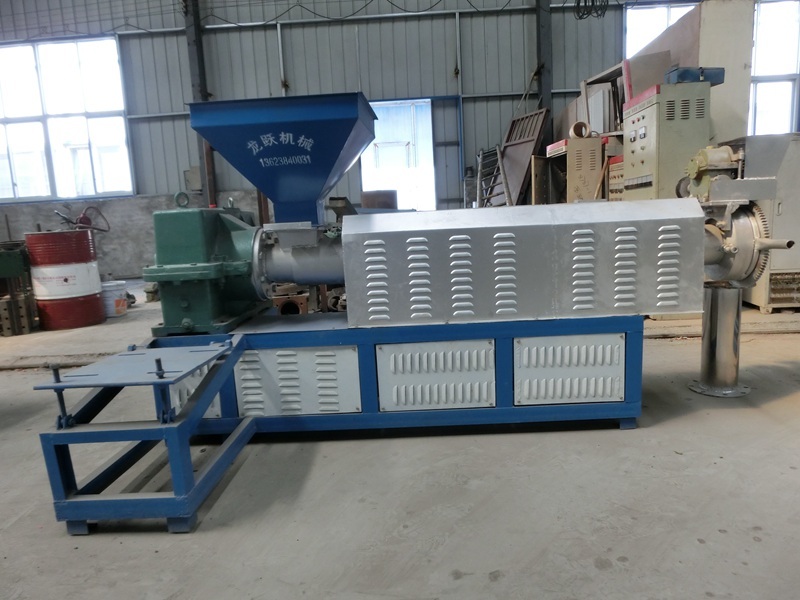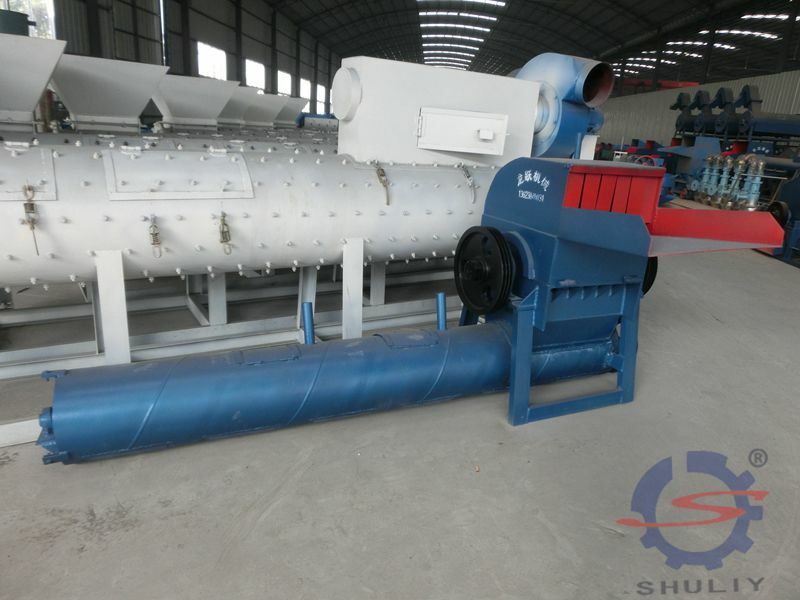
Comment les plastiques usagés se renouvellent-ils dans la machine à granulés plastiques ?
Les produits en plastique offrent beaucoup de commodité pour notre production et notre vie. C'est le bon côté. D'un autre côté, cela constitue l'une des plus grandes sources de pollution dans notre vie. Il ne se dégradera pas naturellement, et le machine à granulés en plastique est bien résolu. Cette pollution a permis le recyclage des déchets plastiques.
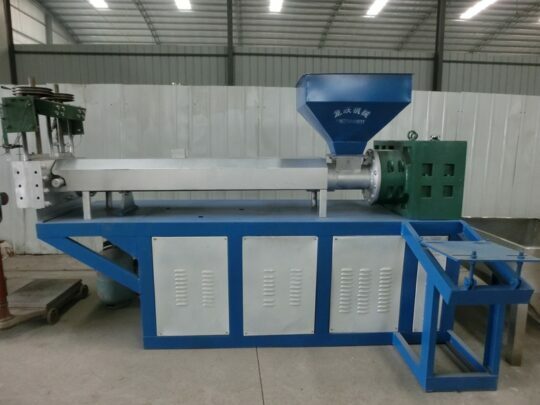
Comment les plastiques usagés se renouvellent-ils dans le machine à granulés en plastique? Examinons cela de plus près.
Après l'ajout du plastique dans la trémie, celui-ci tombe régulièrement sur la vis et est entraîné par le filetage. Lorsque la vis tourne, le filetage force le matériau à avancer vers la tête, formant ainsi un processus de transport mécanique.
Lorsque le plastique se déplace de l'orifice d'alimentation vers la tête de la machine de granulation, la profondeur du filetage de la vis diminue progressivement. En raison de la résistance du tamis filtrant, du collecteur et de la tête, une pression élevée se forme pendant la plastification et le matériau est fortement comprimé.
La densification améliore sa conductivité thermique et aide le plastique à fondre rapidement. En même temps, la pression qui augmente progressivement entraîne l'évacuation du gaz initialement présent entre les granulés par le trou d'évent.
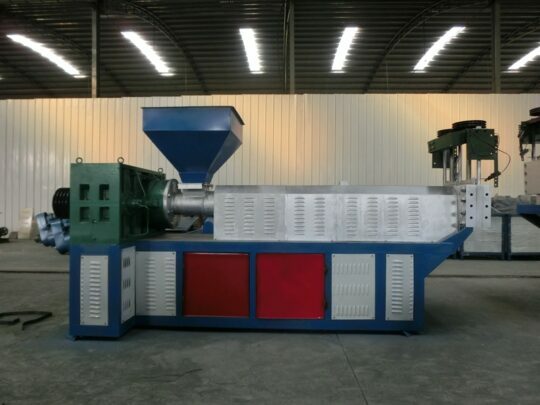
Pendant que la pression augmente, le plastique est chauffé d'une part par l'extérieur. D'autre part, lors de la compression, du cisaillement et de l'agitation, le plastique génère lui-même une grande quantité de chaleur en raison des frottements internes.
Sous l'action combinée des forces externes et internes, la température du plastique augmente progressivement et son état physique évolue également : état vitreux, état hautement élastique, puis état d'écoulement visqueux.
De manière générale, pendant l’alimentation, l’état vitreux se situe principalement dans la partie centrale de la section de compression, où le filet de la vis diminue progressivement. Le matériau est principalement dans un état hautement élastique et fond progressivement, puis il atteint un état visqueux à l’arrière et dans la section de refoulement de la section de compression.
À ce stade, le plastique est complètement plastifié. Le plastique plastifié est ensuite comprimé, puis extrudé en continu de manière quantitative et uniforme par la tête de la machine sous l’action de la vis.