Как перерабатываются пластиковые отходы в машине для производства пластиковых гранул?
Пластиковые изделия обеспечивают много удобства в нашем производстве и жизни. Это положительная сторона. С другой стороны, они являются одним из крупнейших источников загрязнения в нашей жизни. Они не разлагаются естественным образом, и Пластиковая грануляторная машина хорошо решена. Это загрязнение привело к переработке отходов пластика.
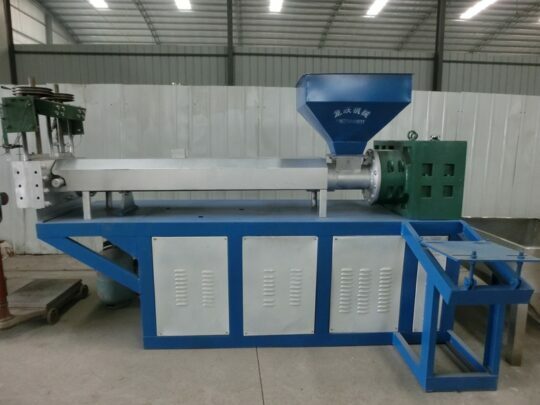
Как перерабатываются пластиковые отходы в Пластиковая грануляторная машина? Давайте рассмотрим это подробнее
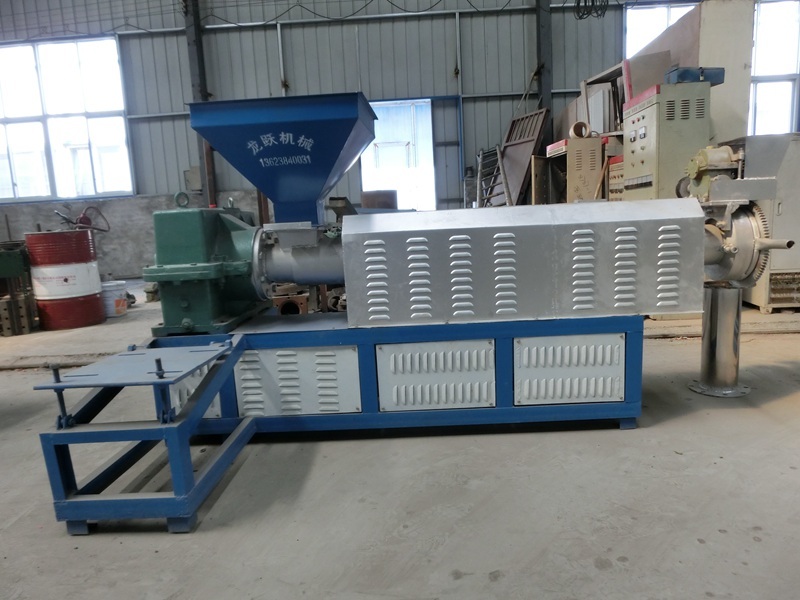
После загрузки пластика в бункер материал плавно поступает на шнек и захватывается его витками. При вращении шнека витки принудительно перемещают материал к головке, обеспечивая процесс механической транспортировки.
По мере перемещения пластика от загрузочного отверстия к головке гранулятора глубина канала шнека постепенно уменьшается. Сопротивление фильтрующей сетки, коллектора и головки создает высокое давление в процессе пластификации, в результате чего материал сильно уплотняется.
Уплотнение улучшает теплопроводность и помогает пластику быстро плавиться. В то же время постепенно увеличивающееся давление вызывает выброс газа, изначально присутствующего между гранулами, через вентиляционное отверстие.
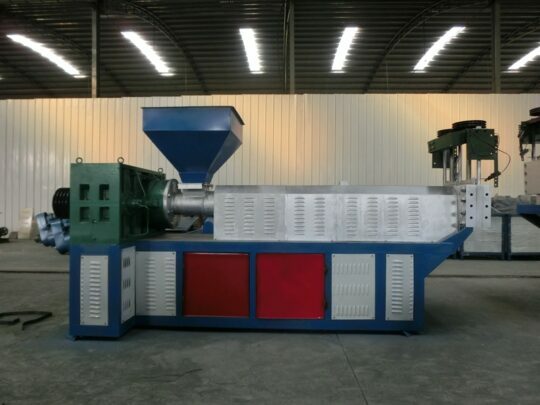
При повышении давления пластик, с одной стороны, нагревается внешними нагревателями. С другой стороны, при сжатии, сдвиге и перемешивании сам пластик выделяет большое количество тепла за счет внутреннего трения.
Под совместным воздействием внешних и внутренних сил температура пластика постепенно повышается, а его физическое состояние последовательно меняется от стеклообразного к высокоэластическому, а затем к вязкотекучему.
В целом при подаче материала стеклообразное состояние в основном наблюдается в средней части зоны сжатия, где шаг резьбы шнека постепенно уменьшается. Материал находится преимущественно в высокоэластичном состоянии и постепенно плавится, а в задней части и зоне выдавливания секции сжатия он переходит в вязкое состояние.
На этом этапе пластик полностью пластифицирован. Пластифицированный материал непрерывно, количественно и равномерно сжимается и выдавливается из головки машины за счёт подачи шнеком.