
Дробильная машина для древесины для переработки опилок и биомассы
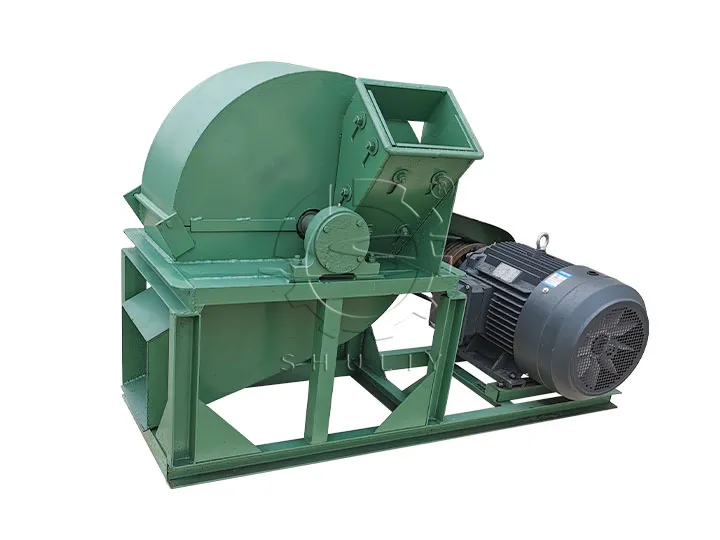
Дробильная машина для древесины для переработки опилок и биомассы
Надежная древесный дробилка превращает крупные древесные отходы в удобное сырье для дальнейшего производства. Вместо того чтобы рассматривать ветви, деревянные блоки, кору, обрезки и отходы обработки как расходы на утилизацию, операторы могут подготовить их для грибного субстрата, биомассового топлива, древесностружечных плит, древесного угля и другой продукции на основе древесины.
Серия Shuliy SL предназначена для первичного уменьшения размера древесины. Она объединяет резку, ударное дробление и просеивание в одном процессе, позволяя перерабатывать подходящие древесные материалы в опилки или мелкие древесные частицы. Правильная модель зависит от диаметра материала, целевой производительности, объема производства и требуемого размера частиц.
Что может перерабатывать дробильная машина для древесины?
Это Дробилка древесины предназначена главным образом для чистой древесины и биомассы, включая бревна в пределах номинального размера загрузки, ветви, сучья, кору, деревянные блоки, древесные обрезки, бамбук, кукурузные початки, солому и аналогичные волокнистые материалы.
Для стабильной работы поступающий материал должен быть очищен от камней, гвоздей, винтов, железной проволоки и других твердых загрязнений. Металлический или минеральный мусор может повредить нож, молотковый узел, сито и внутреннюю камеру. Окрашенную древесину, клееные плиты, поддоны с гвоздями, пластиковые и смешанные промышленные отходы следует перерабатывать только после отдельной оценки материала и подходящей предварительной обработки.
Эта машина не предназначена для резки и раскалывания дров. Ее задача заключается в уменьшении подходящего сырья до более мелких частиц для следующего производственного этапа.
Резка, дробление и просеивание в одной машине
В серии SL используется комбинированный метод переработки. Сначала режущая секция уменьшает поступающий материал, затем высокоскоростные движущиеся компоненты воздействуют на него ударом, сдвигом и трением внутри дробильной камеры. Обработанный материал проходит через сито, а крупные частицы остаются в камере для дальнейшего измельчения.
Такая комбинированная конструкция подходит клиентам, которым нужны не только крупные древесные щепы. Обычная рубильная машина обычно производит более крупную щепу, тогда как древесный измельчитель используется, когда для последующих применений требуется более мелкий и однородный материал.
Размер частиц в основном регулируется выбором сита, настройкой ножей, влажностью материала и равномерностью подачи. Более мелкое сито может обеспечить более тонкий продукт, но также способно снизить производительность и увеличить износ. Для производства гранул или получения мелкого древесного порошка клиентам следует указать требуемый размер частиц до выбора сита и конфигурации машины.
Технические параметры серии Shuliy SL
| Модель | Вместимость | Электрическая мощность | Дизельная мощность | Максимальный размер подачи | Ножи | Размер машины |
|---|---|---|---|---|---|---|
| SL-420 | 300-400 кг/ч | 11 кВт | 15 л.с. | 10 см | 4 | 1300 × 600 × 700 мм |
| SL-500 | 500-600 кг/ч | 18.5 кВт | 30 л.с. | 15 см | 4 | 1600 × 700 × 900 мм |
| SL-600 | 800-1000 кг/ч | 30 кВт | 60 л.с. | 17 см | 4 | 1650 × 750 × 1050 мм |
| SL-700 | 1200-1500 кг/ч | 37 кВт | 60 л.с. | 20 см | 6 | 1700 × 900 × 1100 мм |
| SL-900 | 2000-2500 кг/ч | 55 кВт | 80 л.с. | 22 см | 8 | 1900 × 900 × 1100 мм |
| SL-1000 | 3000-3500 кг/ч | 75 кВт | 110 л.с. | 26 см | 8 | 2500 × 950 × 1100 мм |
| SL-1200 | 3500-4000 кг/ч | 90 кВт | 132 л.с. | 28-30 см | 8 | 2800 × 1100 × 1400 мм |
Указанная производительность является справочным диапазоном. Фактический выход зависит от породы древесины, влажности, твердости, формы ветвей, скорости подачи, размера отверстий сита и состояния ножей.
Видео работы дробилок разных моделей
Практичный выбор для производства грибного субстрата
А Дробилка древесины для грибного субстрата помогает превращать ветви, деревянные блоки и чистые древесные отходы в материал, подходящий для дальнейшей подготовки субстрата. Однородный размер частиц обеспечивает более стабильное смешивание, контроль влажности и фасовку при производстве съедобных грибов.
Окончательный размер сита следует выбирать с учетом вида грибов и процесса выращивания. Перед заказом клиентам необходимо отправить образец сырья и указать требуемый размер продукта. Это надежнее, чем выбирать машину только по производительности.
Почему важны размер подачи и влажность
Более крупная машина не гарантирует автоматически более высокую эффективную производительность. Размер подачи должен оставаться в пределах номинального значения, а материал следует подавать равномерно. Избыточная подача может увеличить потребление энергии, вызвать закупорку и снизить однородность готовых частиц.
Влажность также имеет большое значение. Влажный материал труднее измельчать, и он может забивать сито, тогда как чрезмерно сухой и пыльный материал требует более строгих мер контроля пыли. Клиентам, планирующим дробилку древесины для производства биомассовых пеллет следует оценивать весь процесс, включая дробление, сушку, тонкое измельчение и гранулирование.
В линии гранулирования дробилка подготавливает сырье. В зависимости от спецификации готовых гранул может потребоваться вторичная молотковая мельница или дополнительная стадия просеивания.
Горячий продукт
Автоматическая линия по производству резиновой порошковой продукции
Автоматическая линия по производству резинового порошка используется…
Станок для гибки арматуры по кругу для стальных прутков 3–25 mm
Машина для гибки арматуры по кругу серии Shuliy SRB…
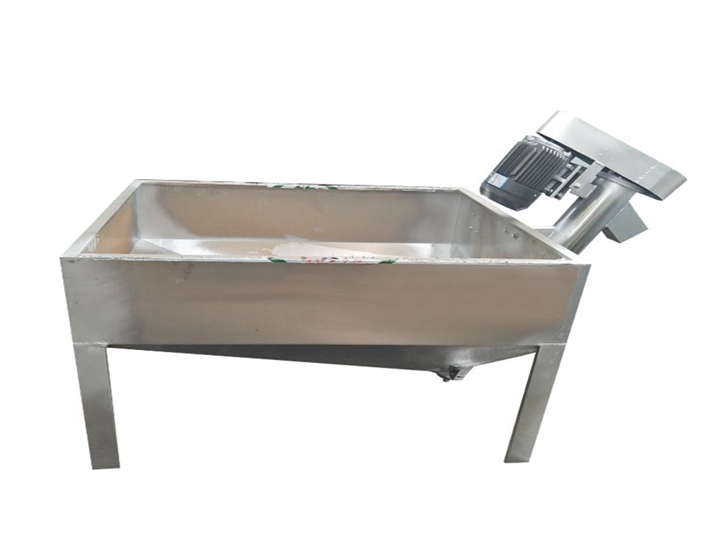
Машина для упаковки пластиковых гранул | Упаковочная машина
Отходы пластика необходимо полностью упаковать после переработки…
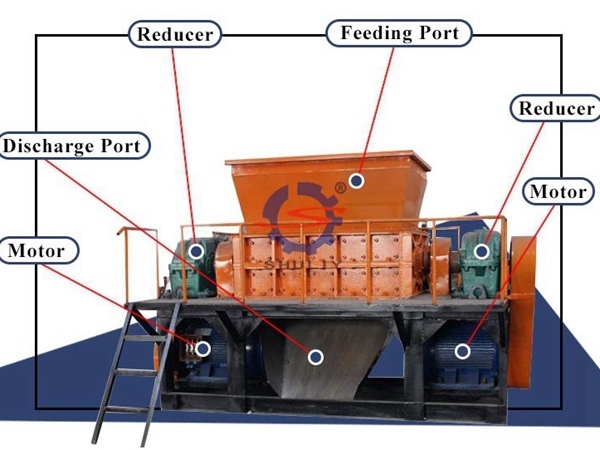
Пластиковая дробилка для переработки металлических шин
Машина для измельчения пластика в основном использует принцип…
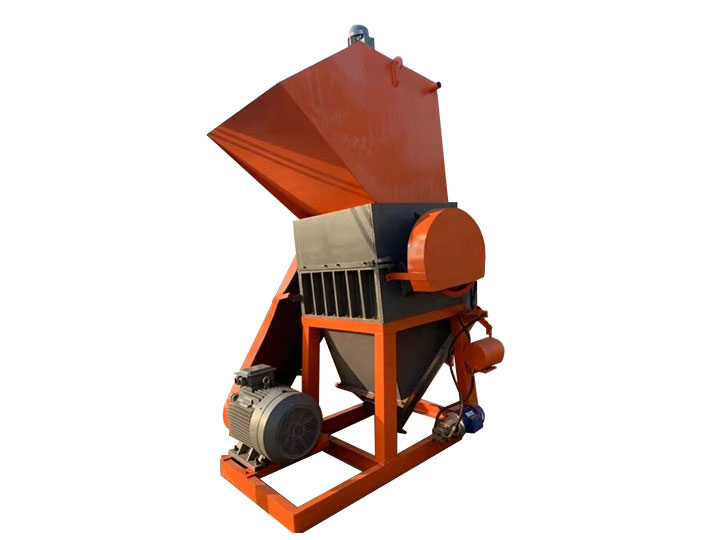
Машина для дробления ПЭТ-бутылок
Машина для дробления ПЭТ-бутылок играет очень важную…
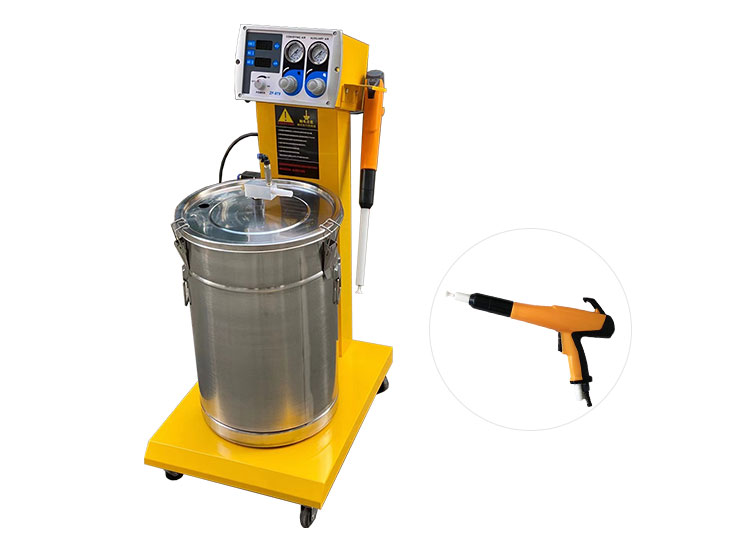
Электростатическая распыляющая машина | Ручной пистолет для порошковой окраски
Электростатическая распылительная машина представляет собой тип…
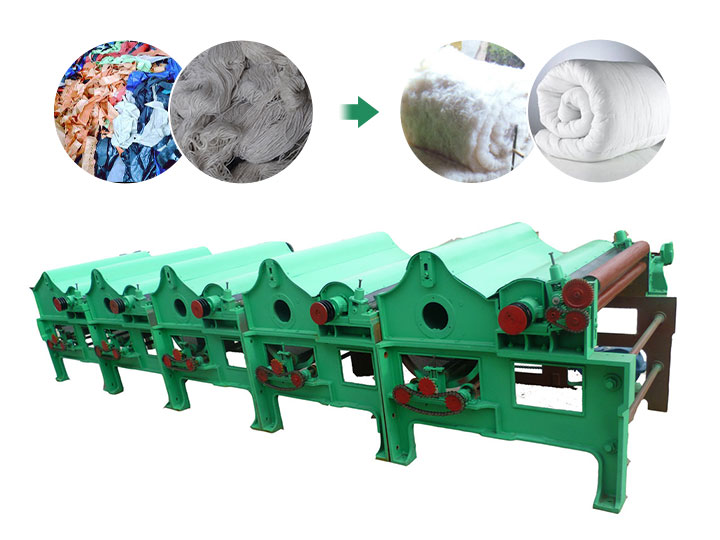
Машина для переработки хлопкового отхода | Машина для разрыва тряпок
Машина для переработки хлопковых отходов в основном используется…
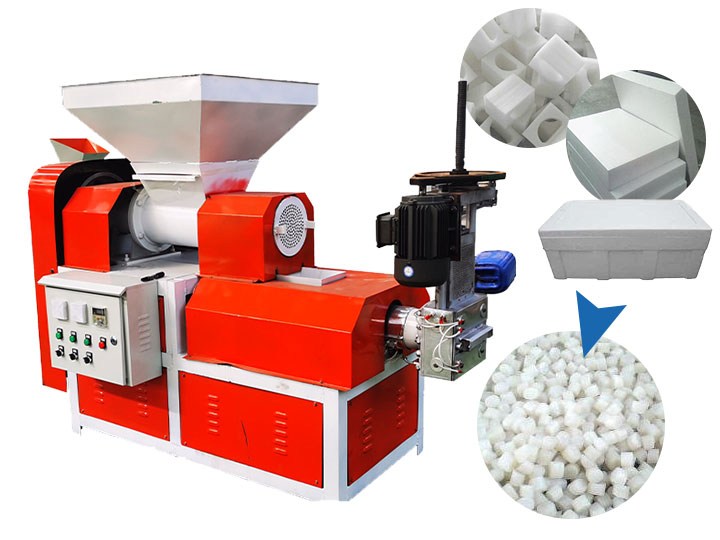
Гранулятор EPS | Машина для переработки вспененного полистирола
Гранулятор EPS в основном подходит для быстрого вспенивания…
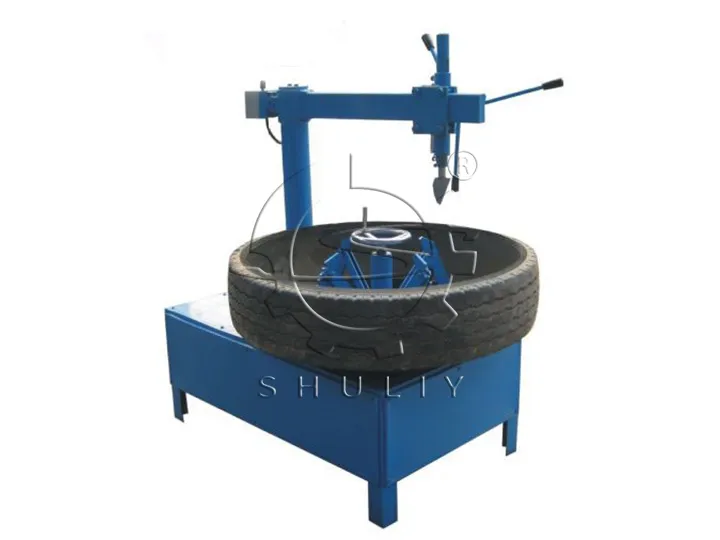
Машина для резки боковой стенки шины
Машина для резки боковой стенки шины TCC-1250 — это…