
플레이크-펠릿 동기화: 세척 순도가 rPET 펠릿화 라인을 보호하는 방법
세척 공정과 압출 공정을 별개의 작업으로 보는 것은 비용이 많이 드는 실수입니다. 상류 PET 세척 라인의 출력 품질은 하류 rPET 펠렛타이징 라인의 가동 시간, 스크류 마모율 및 최종 수지 품질을 직접적으로 결정합니다.
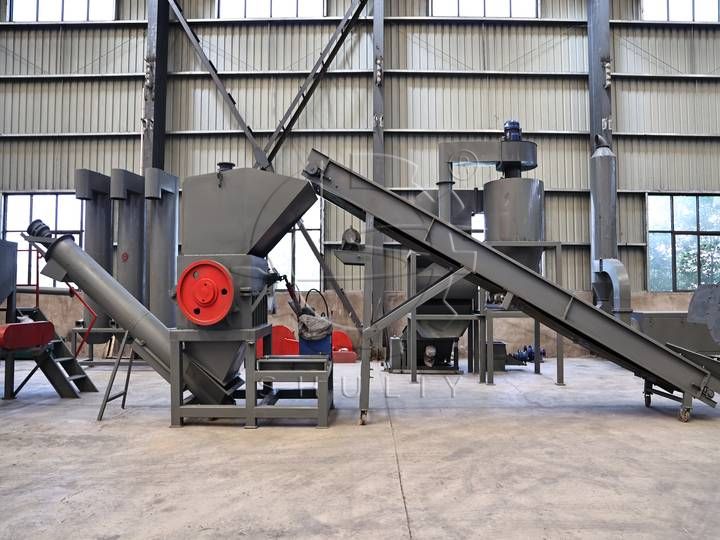
세척이 불량하고 습기가 있는 플레이크를 압출기에 투입하면 진공 펌프 고장, 필터 막힘, 심각한 점도(IV) 저하가 빠르게 발생합니다. 아래는 Shuliy가 압출 설비 투자를 보호하기 위해 동기화하는 세 가지 핵심 파라미터입니다.
1. 수분 제어: 280°C에서 열가수분해 차단
PET는 흡습성이 매우 높습니다. 플레이크가 높은 수분 함량으로 압출기에 유입되면 280°C에서 물이 즉시 열가수분해를 촉발합니다. 이 화학 반응은 폴리머 사슬을 영구적으로 절단하여 고유 점도(IV)를 낮추고 취성이 강한 저가 펠릿을 생성합니다.
- 목표: 안정적인 압출을 위해 수분은 반드시 0.5% 미만 으로 유지되어야 합니다.
- Shuliy 솔루션: 당사의 고속 수평 원심 건조기 가 표면수를 기계적으로 3%까지 제거한 후, 즉시 인라인 열 건조 파이프라인을 통해 재료가 압출기에 투입되기 전에 내부 수분을 증발시킵니다.
2. 미분 추출: 진공 탈기 시스템 보호
압출 과정에서 다단계 진공 탈기 시스템은 부압(-0.08 ~ -0.1 MPa)을 가해 용융물에서 휘발성 물질과 가스를 추출합니다. 그러나 분쇄기에서 미분(파인)이 과도하게 발생하면 다음과 같은 문제가 발생합니다:
- 진공 막힘: 높은 진공 상태에서 가벼운 PET 분진이 용융 풀 밖으로 빨려 나와 진공 포트를 막고 진공 펌프를 손상시킵니다.
- 원료 브리징: 미분이 공급구에서 조기에 용융되어 끈적한 막힘을 유발하고 재료 흐름을 중단시킵니다.
- Shuliy 솔루션: 세척 후 사이클론 분리기를 통합하여 플레이크 흐름에서 가벼운 분진과 라벨을 제거함으로써 깨끗하고 균일한 플레이크만 공급구에 도달하도록 보장합니다.
3. 알칼리 제거: 용융물 발포 및 황변 방지
열세척은 가성소다(NaOH)를 사용해 접착제를 제거합니다. 플레이크를 충분히 헹구지 않으면 미량의 NaOH가 압출기로 유입되어 열에 의해 분해 촉매로 작용합니다.
이로 인해 용융물이 발포하여 탈기 배기구를 막고 플라스틱이 산화되면서 펠릿이 노랗게 변합니다.
- Shuliy 솔루션: 고온 세척기 후단에 연속 흐름 심수 세척 탱크를 배치하여 화학 잔류물을 희석 및 분리하고, 최종 플레이크의 pH를 엄격히 8.0 미만으로 유지합니다.
동기화 사양: 세척 라인 생산량 대 압출기 투입량
| 플레이크 조건 | 가공 시 위험 요소 | Shuliy Machinery 솔루션 | 압출 공정의 이점 |
|---|---|---|---|
| 수분 함량 | 가수분해 유발, 고유점도(IV) 저하 | 수평 원심분리기 + 열풍 파이프 | 일정한 IV 유지, 고강도 펠릿 생산 |
| PET 미분(분진) | 진공 포트 막힘, 브리징 현상 유발 | 일체형 사이클론 공기 제진기 | 연속 진공 유지, 안정적인 재료 공급 |
| 잔류 pH | 발포 및 황변 현상 유발 | 다단계 심수 헹굼 (pH < 8) | 투명한 프리미엄급 펠릿 생산 |
세척 단계의 기계적 및 화학적 출력을 rPET 펠릿화 라인의 엄격한 한계 내에서 제어함으로써, Shuliy Machinery는 최소한의 가동 중단 시간과 최대 펠릿 가치를 보장하는 안정적이고 연속적인 세척-펠릿 플랜트를 제공합니다.