
Hattı Kurutucu ve Zig Zag Ayırıcı Plastik Geri Dönüşüm: Gerekli Midirlar?
Bir PET yıkama hattı yapılandırırken alıcılar sık sık boru tipi kurutucuyu ve plastik geri dönüşüm zikzak ayırıcısını ilk yatırım maliyetinden tasarruf sağlayan modül. Yanıt, nihai ürününüz için gereken spesifikasyonlara tamamen bağlıdır. Standart bir susuzlaştırma makinesinin teknik çıktısı ile komple kurutma ve sınıflandırma sisteminin çıktısını inceleyelim.
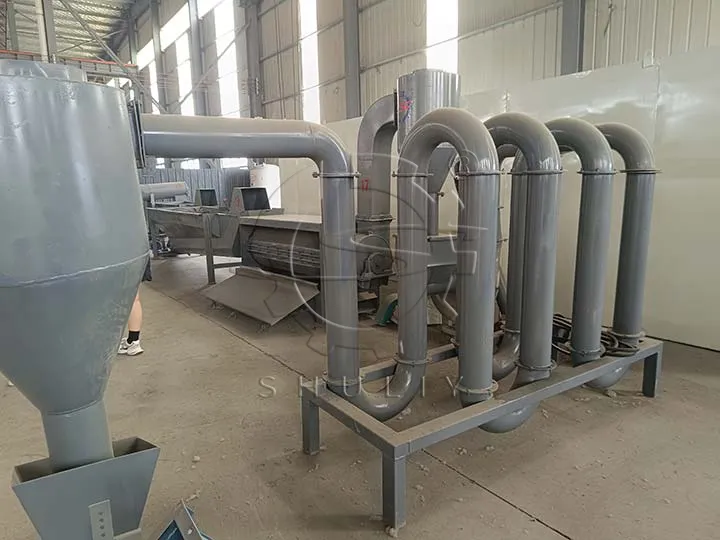
Nem Kontrolü ve PET Pul Kurutma Makinesi Standart bir santrifüj susuzlaştırma makinesi, malzemeyi döndürmek için 15kW motor kullanır ve 95-98% kuruluk seviyesine ulaşır. Bu işlem, rPET pullarında yaklaşık 2% ila 5% nem bırakır. Düşük kaliteli uygulamalar için bu seviye kabul edilebilir.
Ancak, eğer elyaf eğirme tesislerine veya levha ekstrüderlerine satış yapıyorsanız, eritme sırasında polimer hidrolizini önlemek için nemin kesinlikle %1'in altında olması gerekir. 30kW'lık ısıtmalı bir PET pul kurutma makinesi eklemek, 20 metrelik paslanmaz çelik bir boru hattından sıcak hava üfleyerek ,5 kurutma oranına ulaşır ve nemi %0,5-1 seviyesine düşürür.
Zig Zag Ayırıcı Plastik Geri Dönüşüm Sisteminin Rolü Pullar kurutulduktan sonra hâlâ mikro kirleticiler içerir. Bu plastik geri dönüşüm zikzak ayırıcısını sistem, aynı zamanda plastik pul hava sınıflandırıcısıolarak da bilinir ve aşağıdakilerle mücadele etmek için aerodinamikten yararlanır: PET tozu giderme. Ağır PET pulları zikzak haznesinden aşağı düşerken 2.2kW fan yukarı doğru hava üfler. Bu hava akışı, kalan ince etiket parçalarını, gevşek kâğıtları ve plastik tozunu ayırarak uzaklaştırır.
Atlanması plastik geri dönüşüm zikzak ayırıcısını sistem, nihai çuvallarınızda toz bırakır ve bu da ekstrüzyon sırasında siyah noktalara neden olur. Bu iki makine toplam ekipman maliyetine yaklaşık 11,000 ila 12,000 eklese de pullarınızı standart ticari kaliteden premium A sınıfı seviyesine yükselten temel bileşenler bunlardır.