Cost and Quality Analysis: Hot Wash vs Cold Wash PET Flakes
When configuring a new facility, investors must evaluate the functional differences between processing methods. The choice between hot wash vs cold wash pet flakes determines the final product grade and the target market you can supply. Let us examine the technical and financial distinctions to help you structure an effective PET flake washing process.
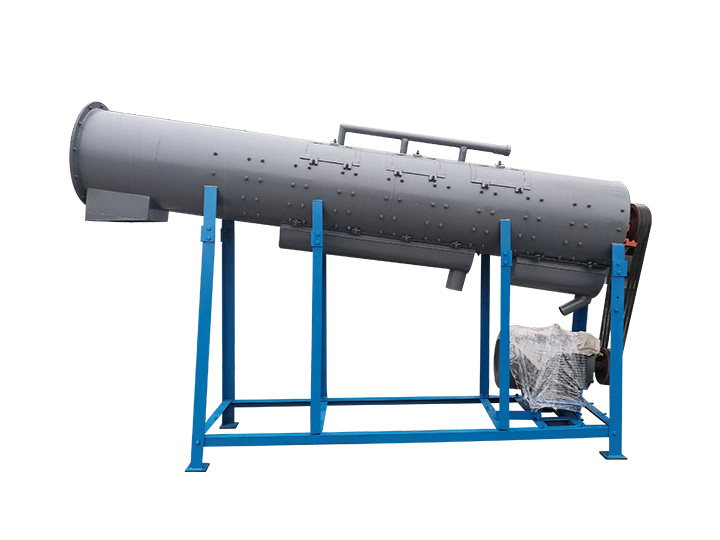
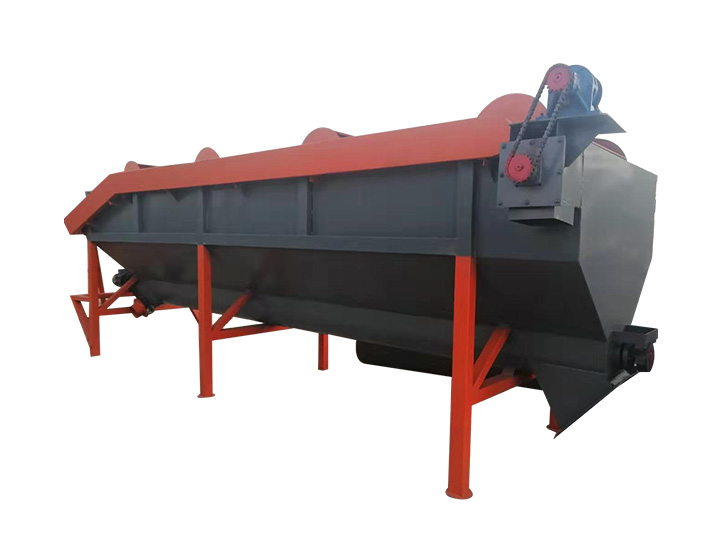
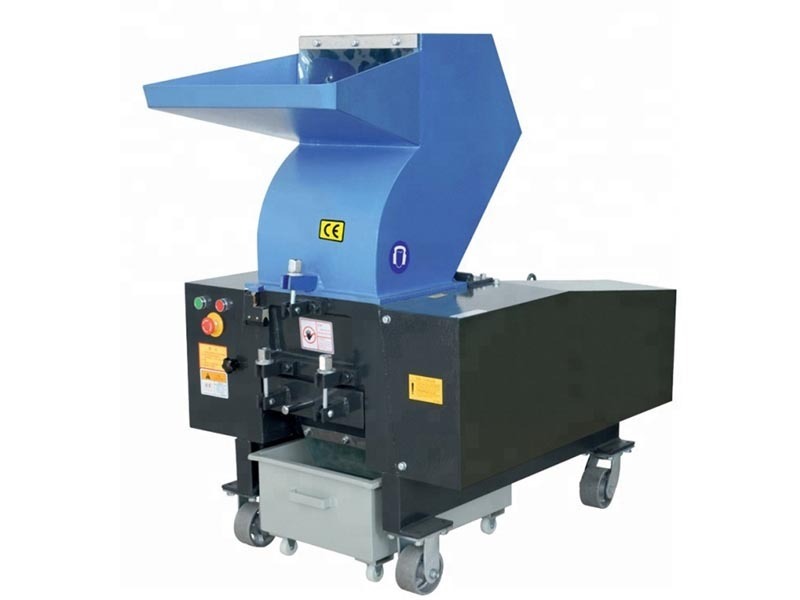
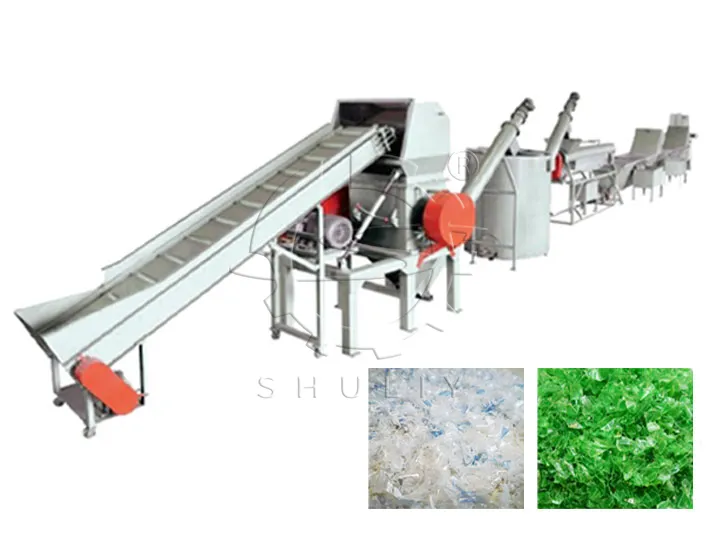
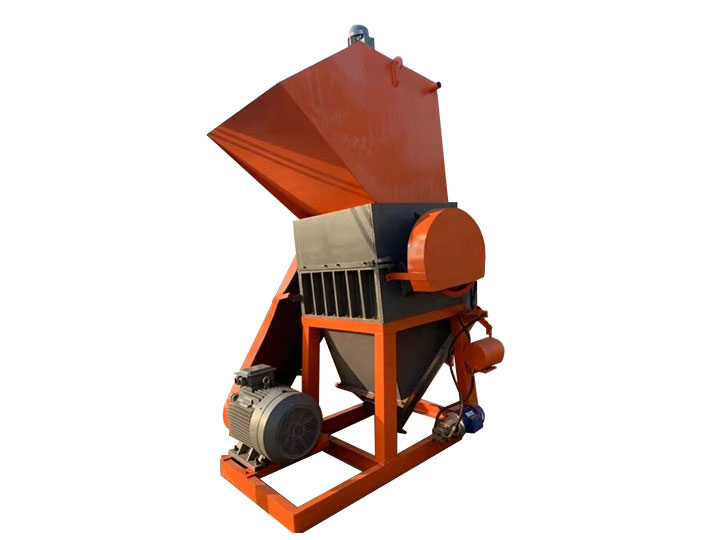
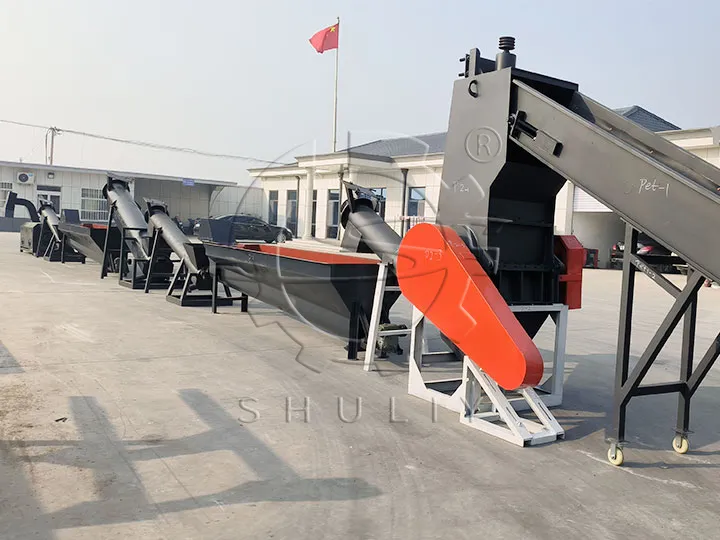
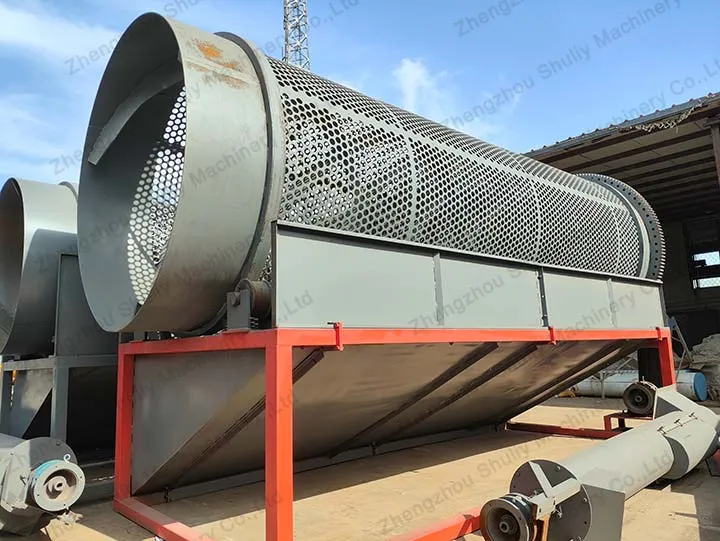
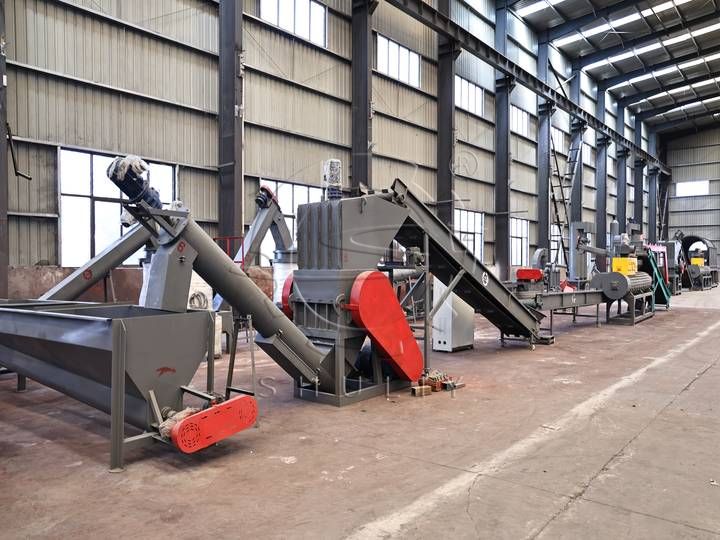
Initial Investment and Plant Cost The most visible difference is the initial pet bottle washing plant cost. A standard 500kg/h cold washing line—consisting of a crusher, a floating separation tank, and a friction washer—requires an investment of roughly 13,500 to15,000 USD.
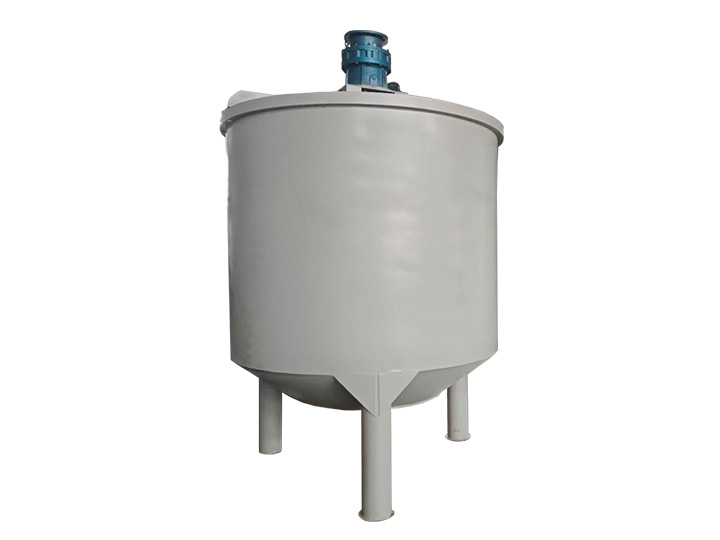
A 500kg/h hot washing line demands a higher capital expenditure, typically between 29,000 and 32,000 USD. This configuration adds a 60kW electromagnetic heating tank and additional high-speed rubbing washers to the line.
Cleaning Capability and Material Output Cold wash pet recycling relies on mechanical friction and ambient temperature water. It successfully removes surface dirt, sand, and loose paper labels. However, cold water hardens hot-melt adhesives and fails to dissolve oil residues. Flakes produced this way are used for lower-tier applications, such as basic polyester fillings.
To meet strict rPET flakes quality standards required by the polyester staple fiber or packaging sheet industries, heating is necessary. The hot wash process operates at 85-95°C with a 1% to 2% caustic soda solution. This specific thermal and chemical environment breaks down stubborn glue bonds and strips oils.
Making the Decision Evaluating hot wash vs cold wash pet flakes comes down to your target market. If local buyers accept lower-grade material and capital is limited, cold washing provides a functional entry point. If the business model targets high-margin fiber producers, the hot wash system is the necessary technical requirement. Understanding the hot wash vs cold wash pet flakes distinction ensures your equipment matches your commercial objectives.